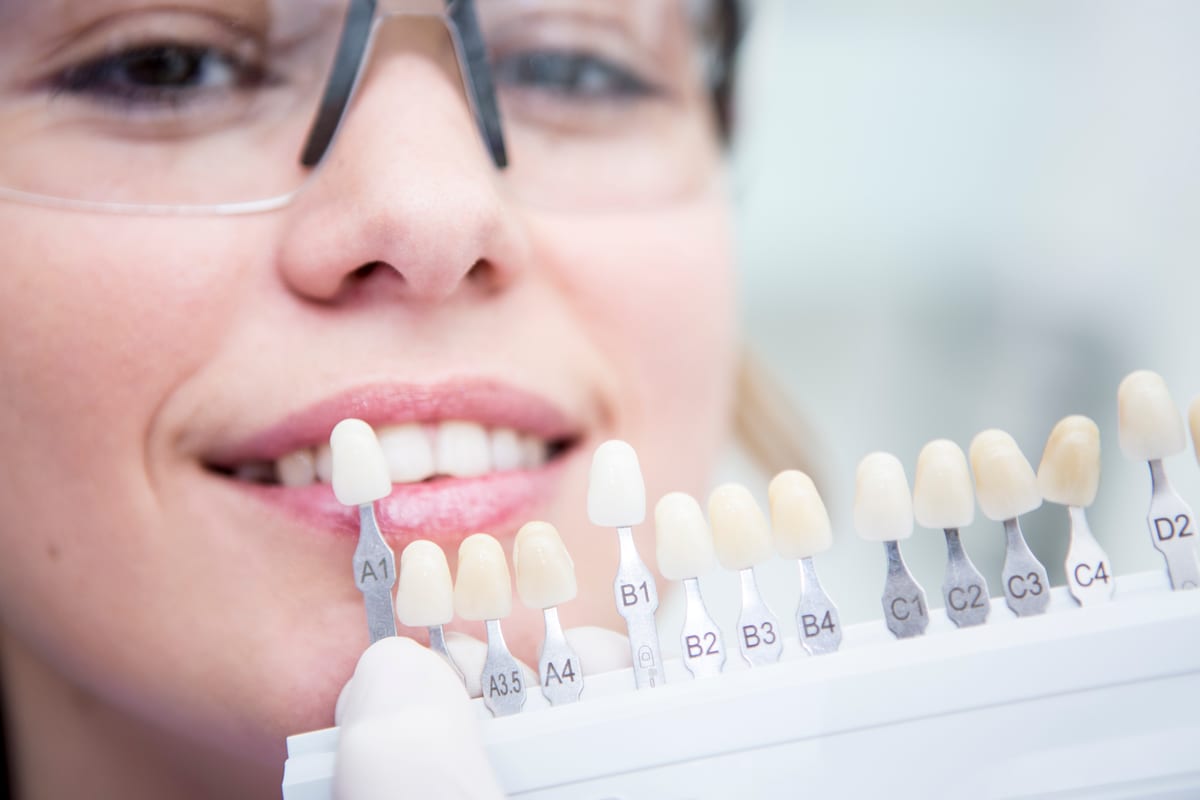
Teeth Whitening in Clarksburg, MD
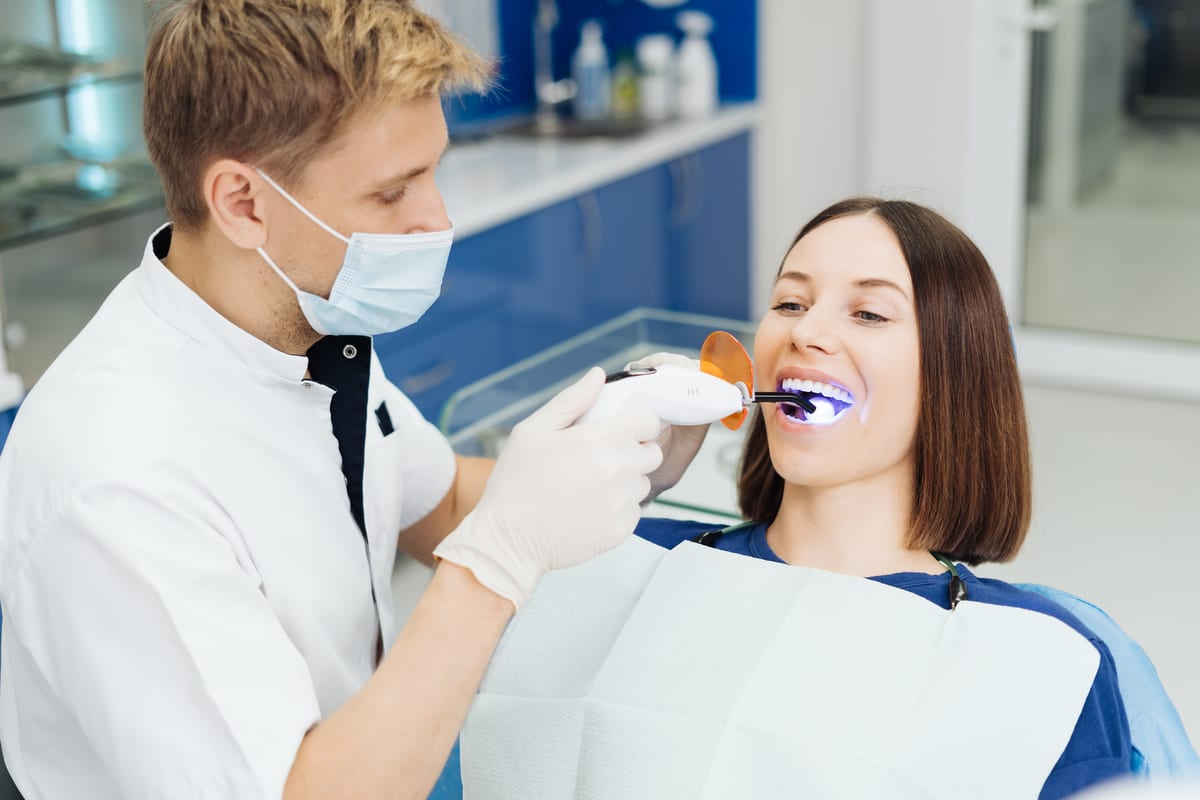
So you’re thinking about whitening your teeth. You’ve seen the ads, tried the strips, and you’re wondering if professional whitening is worth it. The real question is: will teeth whitening actually work for you? Find out now in Clarksburg with this straightforward guide from Dr. Anum Zaidi at Urban Dental Studio. Not everyone gets the same results, and knowing your candidacy upfront saves time, money, and disappointment.
Teeth whitening is one of the most requested services in Cosmetic Dentistry today. But whitening treatments are not one-size-fits-all. Your specific stain type, tooth history, and dental restorations all play a role. Let’s break it down clearly so you can make an informed decision.
Who Gets the Best Results from Teeth Whitening in Clarksburg?
Professional whitening works best on natural tooth enamel. If your teeth have yellowed over time, whitening gel can penetrate the enamel and lift those stains effectively. Patients with yellowish or light brown surface stains typically see dramatic improvements. These results can last months with proper care.
The most ideal candidates share a few common traits. Knowing where you fall on this list helps set realistic expectations.
- Teeth stained from coffee, tea, or red wine
- Surface discoloration from tobacco or certain foods
- Generally healthy teeth and gums with no active decay
- No major dental restorations on front-facing teeth
- Adults or older teens with fully developed enamel
If you check most of these boxes, professional whitening at Urban Dental Studio could deliver excellent results. Dr. Zaidi evaluates each patient individually before recommending treatment. A quick consultation makes all the difference in setting the right expectations.
When Whitening Will NOT Work — Understanding Intrinsic Stains
Not all tooth discoloration responds to bleaching. There is a critical difference between extrinsic and intrinsic stains. Extrinsic stains sit on the surface and bleach well. Intrinsic stains originate inside the tooth structure itself.
Intrinsic discoloration often appears gray, dark brown, or even bluish. These stains are embedded deep within the dentin. Standard whitening gels cannot reach or break them down effectively. Whitening may show little to no change on intrinsic staining.
Common causes of intrinsic stains include:
- Tetracycline or antibiotic use during childhood tooth development
- Excessive fluoride exposure during enamel formation (fluorosis)
- Trauma to a tooth that caused internal bleeding
- Natural aging that darkens the underlying dentin
- Certain medications taken during pregnancy affecting baby teeth
If your discoloration falls into any of these categories, whitening alone may not be your best path. Dr. Zaidi will discuss alternative cosmetic options like veneers or dental bonding during your consultation. These solutions address discoloration that bleaching simply cannot fix.
Crowns, Veneers, and Bonding — Why Restorations Don’t Whiten
This is one of the most important facts patients miss before whitening. Dental restorations do not respond to whitening gel. Period. Crowns, veneers, composite bonding, and tooth-colored fillings are made from ceramic or resin materials. Bleaching agents only work on natural enamel.
If you whiten after placing restorations, your natural teeth will brighten but your restorations will not. This can create obvious color mismatches across your smile. It’s a frustrating outcome that could have been avoided with proper planning.
What should you do if you have restorations? Talk to Dr. Zaidi first. The ideal approach is to whiten your natural teeth first, then match any new restorations to your brightened shade. If you already have visible restorations on front teeth, cosmetic options like new veneers or updated bonding may be better suited to your goals. Our team at Urban Dental Studio helps you think through the sequencing before any treatment begins.
Medication-Induced Staining and Other Special Considerations
Some medications cause staining that goes beyond the surface. Tetracycline antibiotics are the most well-known culprit. When taken during childhood or in utero, they bind to developing tooth structure. The result is a distinctive gray or banded discoloration that resists whitening. Even high-concentration professional gels show limited improvement on tetracycline-stained teeth.
Other medications associated with dental discoloration include certain antihistamines, antipsychotics, and blood pressure medications. If you’ve taken any of these long-term, mention it during your consultation. Dr. Zaidi will assess whether whitening is realistic or whether an alternative approach makes more sense for your specific case.
Additional factors that affect whitening candidacy include:
- Sensitive teeth or exposed root surfaces (may cause discomfort during treatment)
- Active gum disease or untreated tooth decay
- Thin or worn enamel that limits bleaching effectiveness
- Pregnancy or breastfeeding (whitening is not recommended during this time)
None of these factors mean you can never achieve a brighter smile. They simply mean the path may look different for you. Our Family Dentistry team takes a whole-health approach to every smile. We start with what’s safe and effective for your unique situation.
What Professional Whitening Looks Like at Urban Dental Studio
If you are a good candidate, professional whitening far outperforms anything you can buy over the counter. In-office whitening uses a higher concentration of bleaching agent. Results are visible immediately after a single session. Take-home trays from our office are also custom-fitted for even, consistent results.
Dr. Zaidi starts every whitening consultation with a full assessment. She checks for decay, gum health, and existing restorations. She also evaluates your stain type to confirm whitening will actually deliver results. This step alone sets Urban Dental Studio apart from DIY approaches.
After treatment, we guide you on maintenance habits to extend your results. Small lifestyle changes — like limiting staining beverages and scheduling regular cleanings — make a significant difference long-term. Teeth whitening is an investment, and we want yours to last.
Ready to Find Out If Whitening Is Right for You in Clarksburg?
Now that you understand the key factors, you can better evaluate your own candidacy. Surface stains from food and drink respond beautifully to professional whitening. Intrinsic stains, restorations, and medication-induced discoloration require a different conversation. The most important step is getting an expert opinion before you invest in any whitening treatment.
Dr. Anum Zaidi and the team at Urban Dental Studio in Clarksburg, MD are here to help you make that decision confidently. We take the time to listen, examine, and explain every option clearly. Your smile goals matter to us — and we’ll never recommend something that won’t actually work for you. Book Now to schedule your appointment with our team.
Frequently Asked Questions
Can I whiten my teeth if I have sensitive teeth?
Yes, but with extra care. Sensitivity is common during and after whitening. Dr. Zaidi may recommend a lower-concentration gel or a desensitizing treatment before starting. Patients with exposed root surfaces or very thin enamel may need to consider alternatives. We always assess sensitivity before recommending a whitening approach.
How long do professional whitening results last?
Results typically last six months to two years depending on your habits. Consuming coffee, tea, red wine, or tobacco will shorten the lifespan of your results. Regular touch-ups and consistent cleanings help maintain brightness. Dr. Zaidi will give you a personalized maintenance plan after your treatment.
Why didn’t whitening work on my teeth the last time I tried?
There are several possible reasons. You may have intrinsic staining that bleaching agents cannot reach. You may have restorations on visible teeth that don’t respond to gel. The over-the-counter product you used may not have been strong enough. A professional evaluation will identify the exact cause and suggest the best path forward.
Is teeth whitening safe for my enamel?
Professional whitening used correctly is safe for enamel. The key is using the right concentration for the right amount of time under professional supervision. Overuse of whitening products can cause temporary sensitivity or mild enamel irritation. Dr. Zaidi supervises all whitening treatments at Urban Dental Studio to ensure your enamel stays protected.
What are my options if whitening won’t work for my stain type?
Several cosmetic solutions can address staining that whitening cannot fix. Porcelain veneers cover the front surface of teeth and mask deep discoloration effectively. Dental bonding is a more affordable option for smaller areas of staining. Dr. Zaidi will review every option with you during a consultation so you can choose what fits your goals and budget.