
Grinding Your Teeth at Night? A Custom Night Guard Can Save Your Smile

You sleep through it completely. No memory of it, no awareness it’s happening, and yet every morning your jaw aches, your temples are tight, and your teeth are slowly paying the price. Teeth grinding, clinically known as bruxism, is one of the more common dental conditions that gets quietly ignored until the damage is impossible to overlook.
The good news is that it’s also one of the more manageable conditions in dentistry, and catching it early makes all the difference.
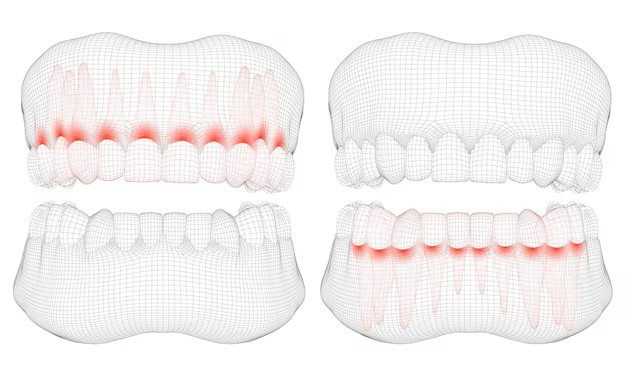
What Bruxism Does to Your Teeth
Grinding during sleep isn’t just a nuisance habit. Even during sleep, a person may clench their teeth with a force of up to 250 pounds. That kind of pressure, repeated night after night, takes a real toll on dental structures that aren’t designed for it.
Sleep-related bruxism can cause considerable damage to teeth and dental work, resulting in morning jaw pain or fatigue, temporal headaches, and restricted temporomandibular joint motion. Tooth enamel, though the hardest substance in the human body, cannot regenerate once it’s worn away. Cracks, increased sensitivity, and eventual fractures are common downstream effects – especially in patients who leave the condition unaddressed for years.
For patients seeking a nightguard in Clarksburg, the team at Urban Dental Studio is well-versed in assessing bruxism and recommending the appropriate level of protection based on the severity of the case. Serving patients across Clarksburg, Germantown, and the greater Montgomery County area, the practice treats bruxism as the clinically significant condition it is – not a minor inconvenience.
Signs You Might Be Grinding at Night
Many people have no idea they grind until a partner mentions the sound or until a dentist spots the telltale wear patterns during a routine exam. Some signs to watch for between checkups:
- Waking up with jaw soreness or tightness
- Morning headaches that sit around the temples
- Teeth that feel sensitive without an obvious cause
- Visible flattening or chipping of tooth edges
- Disrupted or unrefreshing sleep
Any of these, especially in combination, are worth bringing up at your next dental visit. Bruxism doesn’t always announce itself loudly.
Why a Custom Night Guard Works and Why Fit Matters
A night guard, sometimes called an occlusal guard or bite splint, creates a physical barrier between your upper and lower teeth while you sleep. The appliance doesn’t stop the grinding reflex itself, but it intercepts the damage. Research indicates that night guards significantly reduce enamel erosion and the risk of tooth fractures, prolonging the lifespan of dental restorations such as crowns and veneers.
The difference between a custom night guard and a store-bought option isn’t just about comfort – it’s about clinical effectiveness. Custom-fitted night guards provide several key benefits: because they’re fitted to your unique dental structure, they are less bulky and more comfortable than generic options, while offering superior protection that precisely covers your teeth.
Over-the-counter boil-and-bite guards are better than nothing, but they’re not fabricated from dental impressions of your specific bite. They can shift during sleep, fail to distribute pressure properly, and, in some cases, cause more jaw strain rather than less. A custom guard stays in place, distributes force evenly, and can be adjusted if your bite changes over time.
The Jaw Pain Connection – More Than Just Teeth
One of the most common complaints among bruxism patients isn’t about their teeth at all – it’s about jaw pain and recurring headaches. The temporomandibular joint (TMJ) bears significant stress during grinding episodes, and over time, chronic clenching can progress into TMJ disorder, a condition that causes clicking, popping, limited mouth opening, and sometimes significant facial pain.
Night guards also help alleviate TMJ-related symptoms by reducing jaw muscle tension and joint pressure. By positioning the jaw in a slightly more relaxed, neutral position during sleep, a well-fitted guard allows the muscles to decompress rather than work all night overtime.
For patients already managing TMJ symptoms alongside bruxism, a nightguard in Clarksburg is often one of the first interventions Urban Dental Studio incorporates into a broader treatment plan.
Protecting More Than Just Your Natural Teeth
Here’s something patients with restorations sometimes don’t think about: bruxism doesn’t distinguish between natural enamel and dental work. In addition to protecting natural teeth, a mouth guard can protect braces, dental implants, and other dental restorations such as crowns and bridges from damage.
Crowns, veneers, implants, and bridges all represent a meaningful investment in your smile. Grinding against them night after night can crack porcelain, loosen cement, and shorten the lifespan of restorations that should last many years with proper care. A custom guard extends the longevity of that investment.
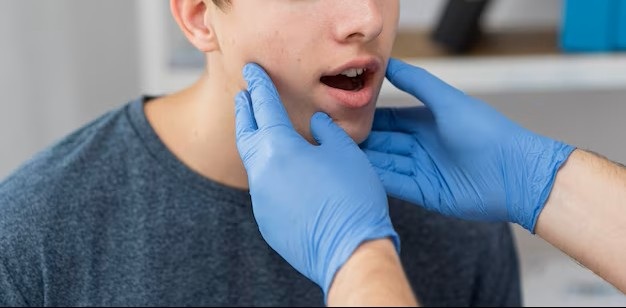
What to Expect When Getting a Custom Guard
The process is straightforward. Your dentist takes precise impressions or digital scans of your teeth, which are sent to a dental lab, where your guard is fabricated from durable acrylic or a combination of materials appropriate for your level of grinding. When it comes back, you’ll have a fitting appointment to confirm the bite is correct and comfortable before you take it home.
Depending on how often you wear your appliance, a custom-made mouthguard can last several years with proper care. Bringing it to your regular checkups allows your dentist to inspect it for signs of wear and replace it when needed, which is usually well before you notice it’s time.
Maintenance is simple: rinse it in cool water each morning, clean it gently with a soft toothbrush, and store it in a ventilated case away from heat.
Jaw soreness in the morning shouldn’t just be something you get used to. Contact Urban Dental Studio in Clarksburg, MD, to schedule an evaluation and find out whether a custom night guard is the right step for protecting your smile.
People Also Ask
Can a night guard make my grinding worse?
A poorly fitted guard can sometimes aggravate grinding or create uneven bite pressure. This is why a professionally fabricated, custom-fitted appliance is important – it’s designed around your specific bite anatomy to minimize rather than increase strain.
How do I know if I need a soft or hard night guard?
Guard material depends on grinding severity. Soft guards are generally recommended for mild cases; hard acrylic guards are better for moderate to severe bruxism. Your dentist will assess your bite and wear patterns before recommending the appropriate type.
Does insurance cover custom night guards?
Some dental insurance plans cover part of the cost of a custom night guard, particularly when bruxism is documented clinically. Coverage varies widely by plan, so it’s worth checking with your provider and asking your dental office to help clarify your benefits.
Can children get bruxism?
Yes. Sleep bruxism is most common in children, affecting 15% to 40% of children. Many children outgrow it naturally, but if grinding is causing dental damage or disrupting sleep, a pediatric dentist should be consulted about appropriate management.
Can a night guard help with snoring or sleep apnea?
Some night guards are designed to reposition the jaw slightly forward, which can help keep the airway open and reduce snoring. However, sleep apnea requires a specific type of appliance and a formal diagnosis – a regular bite guard is not a substitute for sleep apnea treatment.
