Oral Hygiene Habits That Help Dental Implants Last Longer

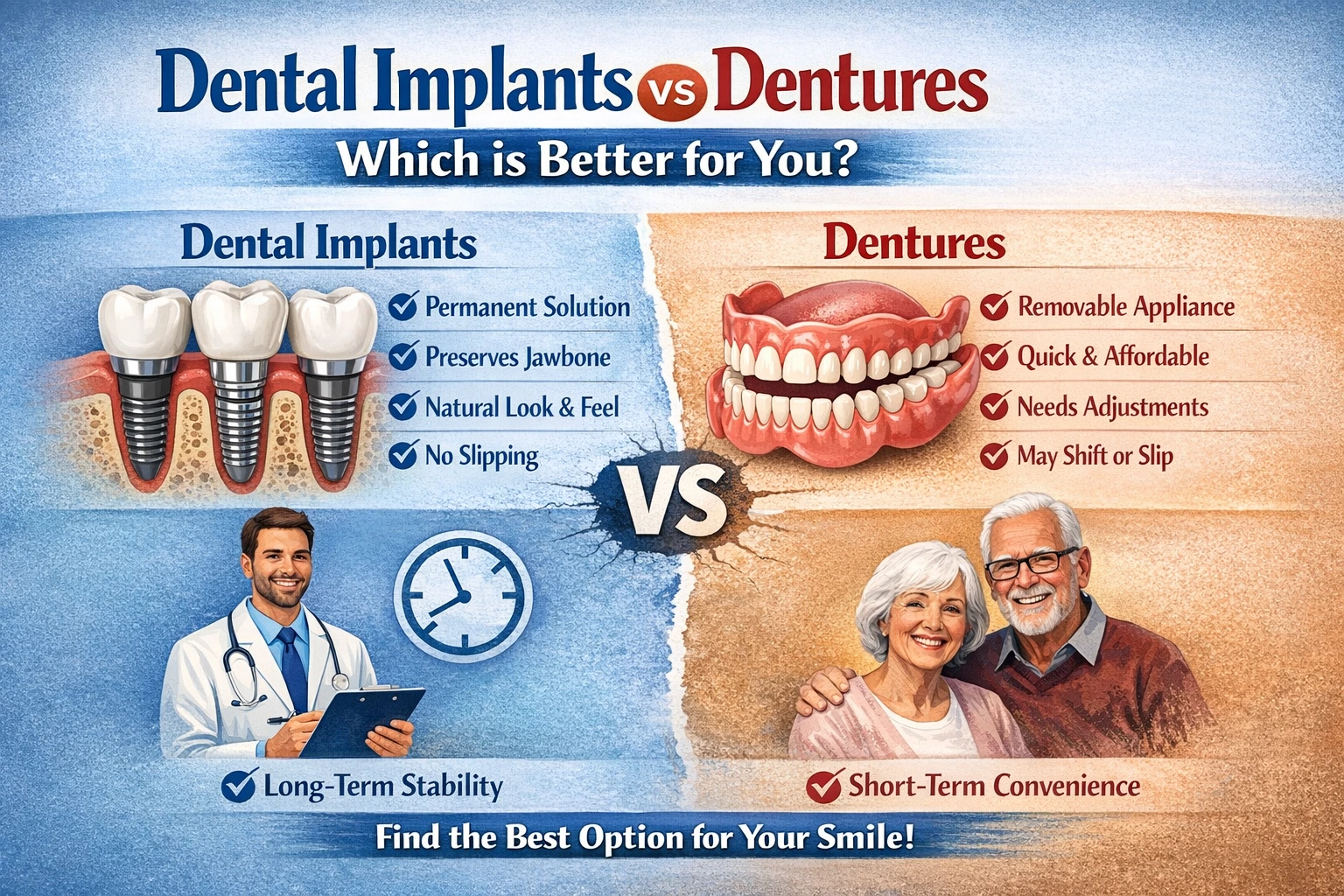
Dental implants are a long-lasting solution for missing teeth, offering a permanent and natural-looking restoration. They provide enhanced functionality, allowing you to eat, speak, and smile with confidence. However, the longevity of your implants relies heavily on maintaining proper oral hygiene.
Just like natural teeth, dental implants need regular care to prevent complications such as infection or implant failure. Poor oral hygiene can lead to plaque buildup around the implant site, potentially causing gum disease and implant issues.
By practicing good oral hygiene habits, you can ensure that your implants remain healthy and functional for many years to come. This blog from Urban Dental Studio will provide you with some oral hygiene tips that can help your implants last longer.
Understanding Dental Implants: What You Need to Know
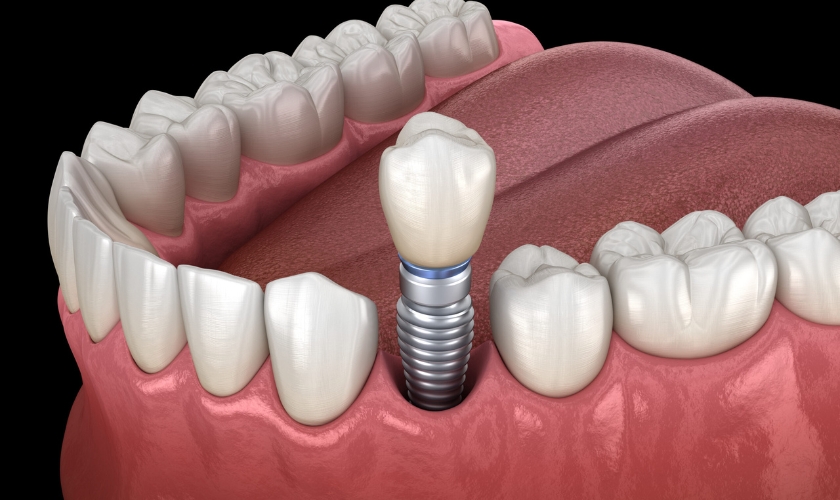
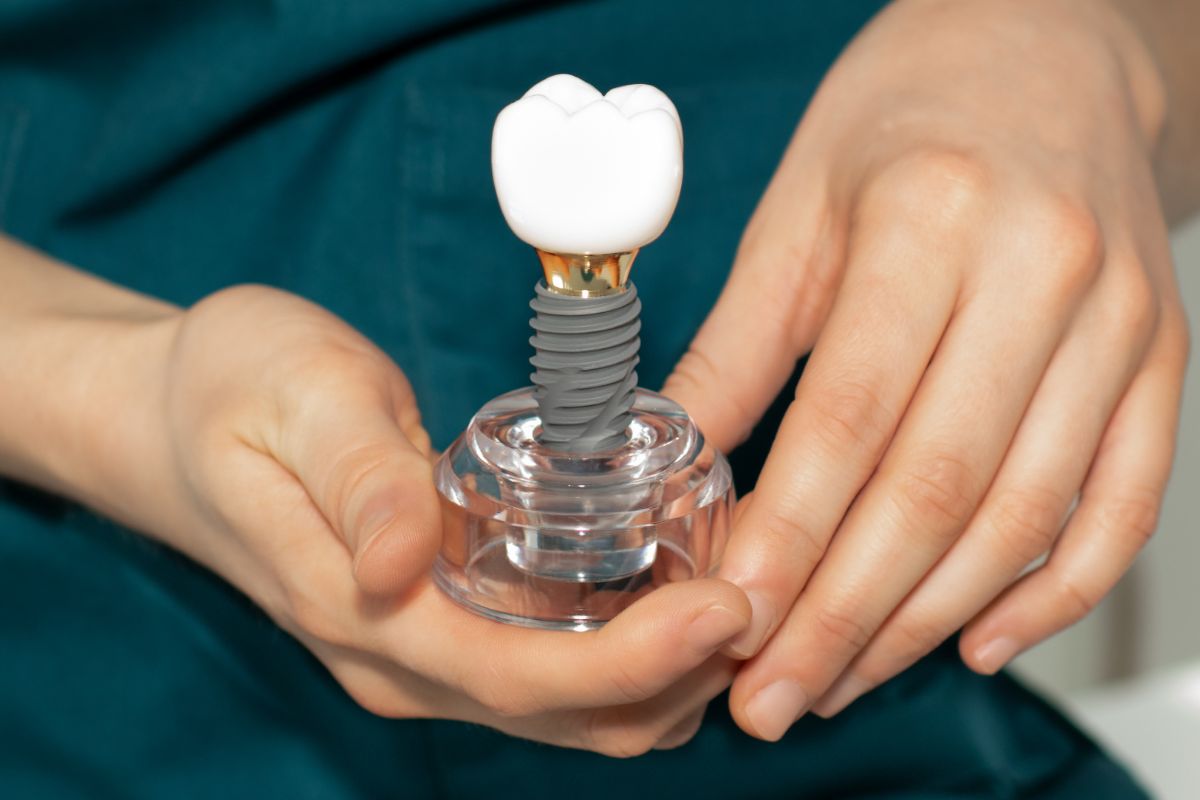
Dental implants are small titanium posts that are surgically placed into your jawbone to replace missing tooth roots. These implants serve as the foundation for a replacement tooth or bridge, providing a permanent solution for tooth loss. The three main components of a dental implant are the post, abutment, and crown.
The post is embedded in the jawbone, acting as the new tooth root. The abutment is a connector that fits onto the post and supports the crown. The crown is the visible part of the implant that resembles a natural tooth in both appearance and function.
Dental implants in Clarksburg offer numerous benefits, including improved comfort, speech, and the ability to chew without discomfort. They also help preserve the structure of your jawbone by stimulating it, which prevents bone loss. To ensure your implants remain as effective as they are now, it’s essential to take proper care of them through excellent oral hygiene practices.
Top Oral Hygiene Habits for Extending the Life of Your Implants
Brushing Your Teeth Regularly and Properly
Proper brushing is essential for maintaining the longevity of your dental implants. It’s recommended to brush your teeth twice daily, using a soft-bristled toothbrush. Soft bristles are gentle on the gums and implants, preventing unnecessary wear and irritation. Hard-bristled brushes or excessive pressure can scratch the surface of the implants, leading to potential damage.
When brushing, use fluoride toothpaste to help remineralize enamel and fight cavities around the implant. Avoid using abrasive toothpastes, as they can be too harsh on both your implants and natural teeth. A gentle, circular brushing technique ensures that you clean the implant area thoroughly, without causing harm.
Flossing Around Implants
Flossing is a crucial step in implant care that many people overlook. While brushing cleans the surface, flossing helps remove food particles and plaque buildup from areas your toothbrush can’t reach, such as the spaces between your implants and gums.
This way, flossing daily helps prevent gum disease and ensures your implants remain secure. Regular floss can be challenging to maneuver around implants, so it’s best to use specialized implant floss or interdental brushes.
These tools are designed to clean around implants effectively, ensuring that you don’t damage your gums or the implant itself while keeping the area free from harmful bacteria.
Rinsing with an Antimicrobial Mouthwash
Using an antimicrobial mouthwash is an excellent addition to your daily oral care routine. Mouthwash helps reduce harmful bacteria in your mouth, promoting healthier gums and reducing the risk of infection around your implants. This is particularly beneficial in preventing gingivitis and peri-implantitis (infection of the tissues around the implant).
Look for alcohol-free mouthwash products to avoid drying out the gums, which could lead to irritation. Swishing with an antimicrobial mouthwash after brushing and flossing can help ensure that your mouth stays fresh and free from harmful bacteria.
Regular Professional Cleanings
Even if you practice excellent at-home oral hygiene, regular professional cleanings are essential to maintaining the health of your implants. A dentist or dental hygienist can thoroughly clean areas that are difficult to reach with regular brushing and flossing. Professional cleanings help remove tartar buildup, which regular brushing can’t eliminate.
These visits also allow your dentist to check for any issues with your implants, such as signs of gum recession or implant loosening. Routine checkups allow early detection of any problems, ensuring that your implants continue to function optimally for years to come.
Avoiding Hard and Sticky Foods
One of the best ways to extend the life of your dental implants in Clarksburg is by being mindful of what you eat. Hard foods like ice, hard candies, or nuts can place undue stress on your implants, potentially leading to fractures or dislodging.
Similarly, sticky foods like caramel, toffee, or chewing gum can pull on your implants and irritate your gums. While implants are durable, they are not immune to wear and tear from improper food choices. By avoiding hard and sticky foods, you can help prevent unnecessary damage to your implants and ensure they remain secure and functional.
By incorporating these top oral hygiene habits into your daily routine, you can significantly extend the lifespan of your dental implants, ensuring they continue to provide you with a healthy and confident smile. Regular care, along with professional checkups, will keep your implants in optimal condition for years to come.
Why Gum Health Matters for Dental Implants
Gum health plays a crucial role in the success of your dental implants. Healthy gums provide a stable foundation for the implants, ensuring they remain securely in place. Gum disease, such as gingivitis or periodontitis, can lead to inflammation, infection, and, in some cases, implant failure. Signs of gum disease around your implants include redness, swelling, and bleeding when brushing or flossing.
To maintain healthy gums, make sure to brush and floss regularly, and avoid smoking, which can contribute to gum disease. A balanced diet, rich in vitamins and minerals, also supports gum health. Regular dental visits will allow your dentist to monitor your gum condition and recommend treatments if necessary.
The Impact of Smoking on Dental Implants
Smoking is one of the leading causes of implant failure. It impairs blood circulation in the gums, making it harder for your body to heal after implant placement. Smoking also increases the risk of gum disease and reduces the success rate of implant osseointegration, the process by which the implant fuses with the jawbone.
If you smoke, consider quitting or reducing your tobacco consumption to improve your oral health and ensure the long-term success of your implants. Your dentist can offer support and resources to help you quit smoking, which will benefit both your implants and your overall well-being.
What to Do if You Experience Issues with Your Implants
If you notice any issues with your implants, such as pain, discomfort, swelling, or loosening, it’s important to seek professional advice at Urban Dental Studio immediately. Early intervention can prevent more serious complications and improve the chances of saving the implant.
Do not attempt to fix any issues on your own. Always consult with your dentist for the best course of action. Regular follow-up appointments will allow your dentist to assess the condition of your implants and make any necessary adjustments.
Maintaining good oral hygiene is the key to ensuring your dental implants last a lifetime. By brushing, flossing, using mouthwash, and visiting your dentist regularly, you can keep your implants in excellent condition. Avoiding damaging habits, such as smoking or eating hard foods, will also help preserve the integrity of your implants.
If you’re due for a cleaning or have concerns about your implants, schedule an appointment with Urban Dental Studio today. We’re here to help you maintain a healthy, beautiful smile for years to come.
FAQs
What should I do if I experience pain around my implants?
Pain around your implants could indicate an issue. Contact your dentist immediately for an evaluation to determine the cause and find a solution.
How soon after implant surgery can I brush my implants?
Follow your dentist’s instructions, but generally, you can resume brushing around your implants gently after a few days to a week, depending on your healing process.
Can dental implants cause bad breath?
Bad breath can be a sign of infection or plaque buildup around your implants. Proper cleaning and regular dentist visits can help prevent this.
Is it safe to chew gum with dental implants?
It’s best to avoid chewing gum, especially sticky types, as it can pull on your implants and irritate your gums.
What are the risks of poor oral hygiene with implants?
Poor oral hygiene can lead to gum disease, implant failure, and infection around the implant site.