Why Dental Crowns Are Essential for Restoring Damaged Teeth and Your Smile
Teeth are designed to handle daily chewing and biting, but over time, they can become damaged. Decay, cracks, trauma, or large fillings can weaken a tooth and increase its vulnerability to further problems. When a tooth loses strength, it may affect how comfortably you eat, how your smile looks, and even how confident you feel in everyday situations.
Many patients assume that a badly damaged tooth must eventually be removed. In reality, modern dentistry offers several ways to preserve natural teeth whenever possible. One reliable option is to place a protective restoration that strengthens and supports the remaining tooth structure.
At Urban Dental Studio, patients often learn that properly restoring a damaged tooth can protect their oral health and appearance at the same time. This blog explains how dental crowns work, when they are recommended, and why they play an important role in restoring both function and confidence.
What Happens When a Tooth Becomes Damaged?
A healthy tooth has a strong outer enamel layer that protects the inner structure. When that protective layer is compromised, the tooth becomes more vulnerable to everyday pressure and bacteria. Even a small crack or cavity can gradually grow into a larger concern if it is not treated promptly.
Cracks and fractures are common causes of tooth damage. They may occur after biting something hard, experiencing an injury, or grinding teeth during sleep. Once a crack forms, the tooth structure may weaken further with each bite. Over time, the crack can expand and affect deeper layers of the tooth.
Large cavities can also reduce the strength of a tooth. When decay removes a significant portion of enamel, the remaining structure may no longer be strong enough to handle chewing forces. The tooth may begin to feel sensitive or painful when pressure is applied.
Previous dental treatments can also contribute to structural weakness. Teeth that have undergone root canal therapy or multiple fillings often lose a significant amount of natural material. Without additional protection, these teeth may become fragile.
Patients may notice symptoms such as sensitivity, discomfort while chewing, or visible damage to the tooth. If the issue is ignored, bacteria can enter deeper areas of the tooth, increasing the risk of infection. Addressing damage early helps preserve the natural tooth and prevents more complex treatments later.
How Dental Crowns Restore Strength and Function
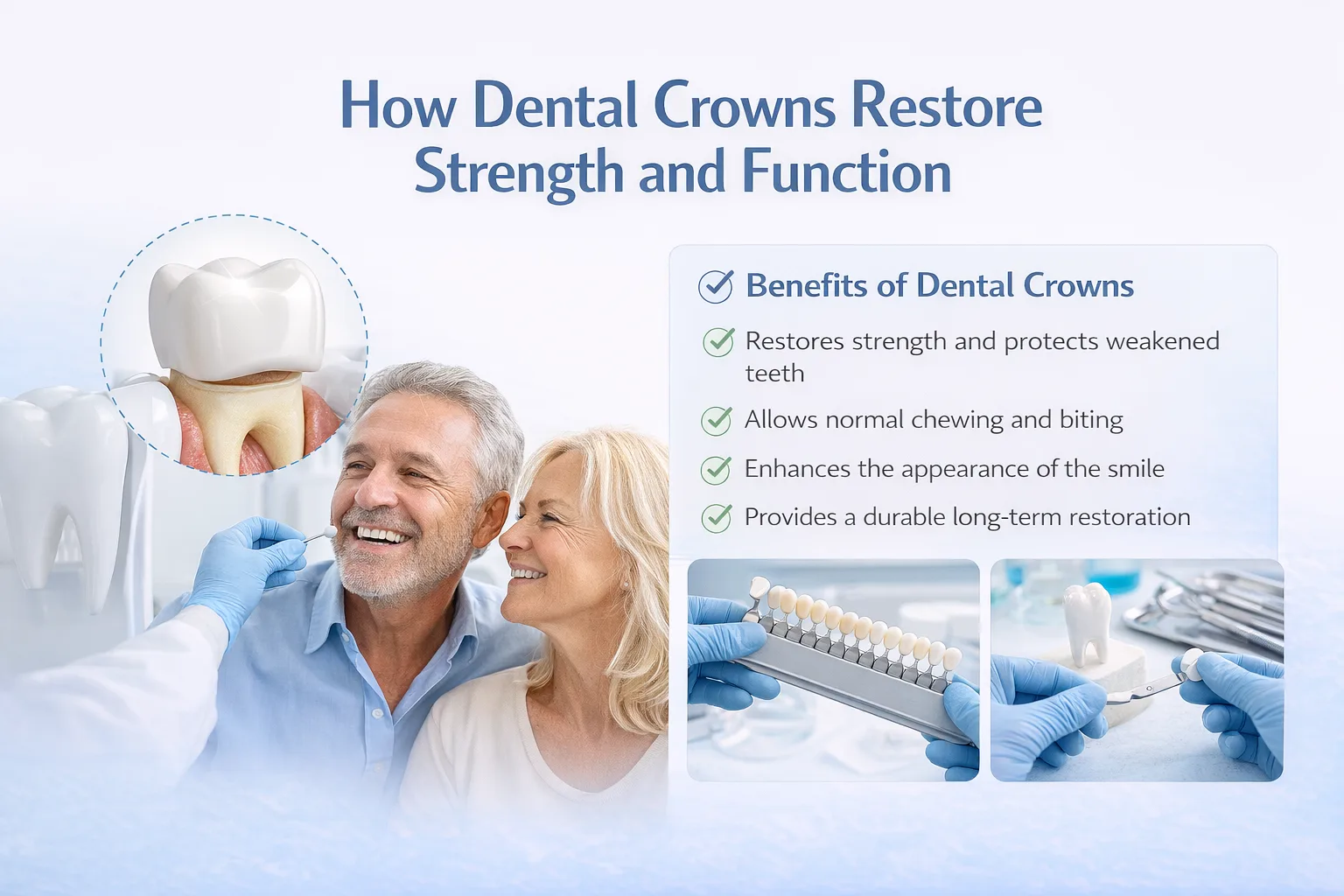
Restorative treatments are designed to reinforce weakened teeth and return them to normal function. One widely used method involves placing a custom restoration that covers the visible portion of the tooth. This approach helps protect the remaining structure while allowing patients to chew and speak comfortably.
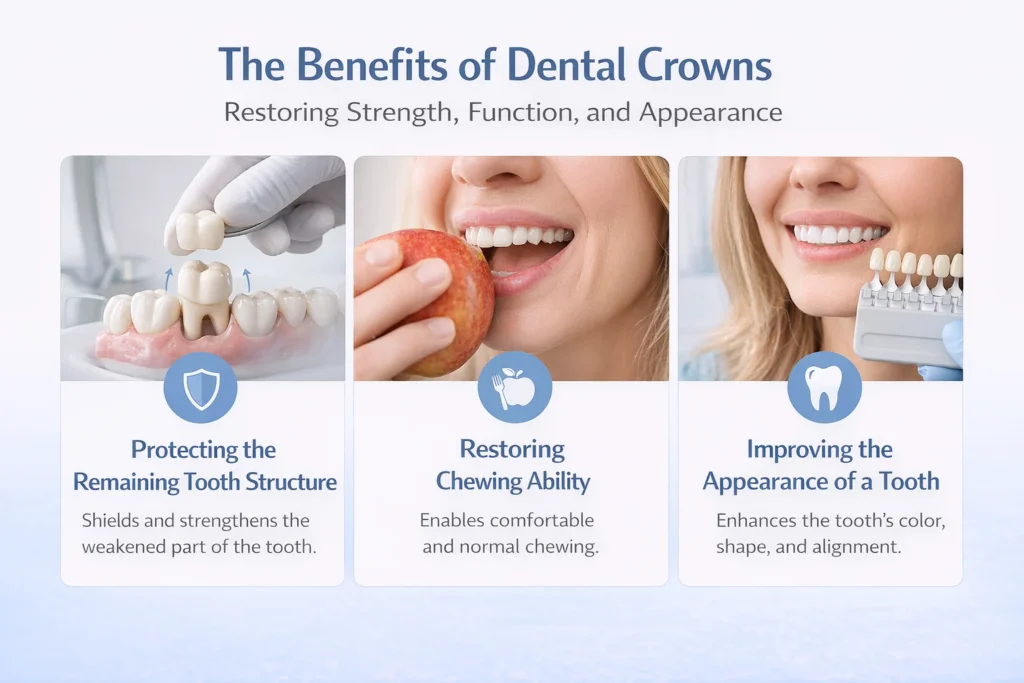
Protecting the Remaining Tooth Structure
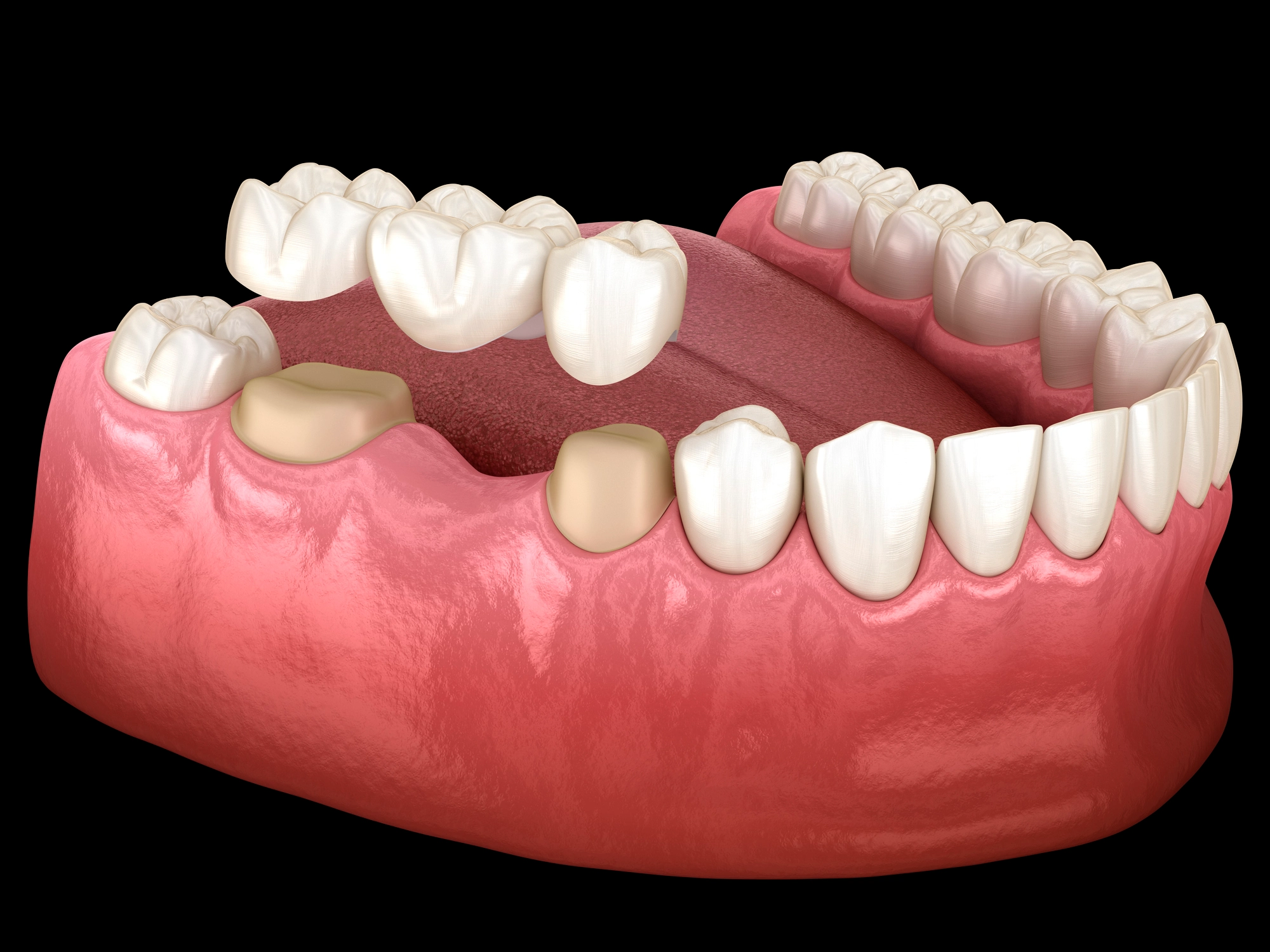
A crown is designed to fit over the entire visible part of the tooth above the gumline. Surrounding the weakened structure, it acts as a protective shield. This coverage helps prevent existing cracks from expanding and reduces the risk of additional damage during normal chewing.
Because the restoration absorbs biting pressure, it also protects the remaining natural tooth underneath. This added support is especially valuable for teeth that have large fillings or structural loss.
Restoring Chewing Ability
A damaged tooth may make eating uncomfortable. Patients sometimes avoid certain foods or chew only on one side of the mouth. By reinforcing the tooth, a crown allows the bite to function normally again. The restored tooth can handle everyday chewing forces without discomfort.
Improving the Appearance of a Tooth
In addition to strengthening the tooth, the restoration can improve its appearance. Dental crowns in Clarksburg are custom-made to match the color, size, and shape of surrounding teeth. This allows it to blend naturally into the smile while restoring both function and aesthetics.
Common Situations Where Dental Crowns Are Recommended
Dentists may recommend this type of restoration in several situations where a tooth needs extra protection or structural support.
Common situations include:
- Severely decayed teeth, where a large portion of the enamel has been lost
- Broken or cracked teeth that require reinforcement
- After root canal treatment, when the tooth structure becomes weaker
- Teeth with very large fillings that leave little natural tooth remaining
- Worn-down teeth caused by grinding or clenching habits
- Cosmetic improvements for misshapen or uneven teeth
At Urban Dental Studio, a thorough examination helps determine whether a crown is the most suitable option for protecting and restoring the tooth. The goal is always to preserve natural teeth whenever possible while ensuring long-term comfort and stability.
Types of Dental Crowns Used in Modern Dentistry
Advancements in dental materials allow restorations to look natural while providing long-term durability. Different materials may be recommended depending on the location of the tooth and the patient’s needs.
Porcelain or Ceramic Crowns
Porcelain and ceramic options are known for their natural appearance. They closely resemble the color and translucency of real teeth, making them a popular choice for front teeth where aesthetics are important.
Porcelain-Fused-to-Metal Crowns
This type combines a strong metal base with a porcelain outer layer. The metal structure provides durability, while the porcelain surface maintains a natural look. These restorations are often used for teeth that require additional strength.
Zirconia Crowns
Zirconia has become increasingly popular due to its exceptional durability. It is strong enough for back teeth that handle heavy chewing forces while still offering a natural appearance.
Your dentist will recommend the most appropriate material based on your oral health, the tooth’s location, and functional requirements.
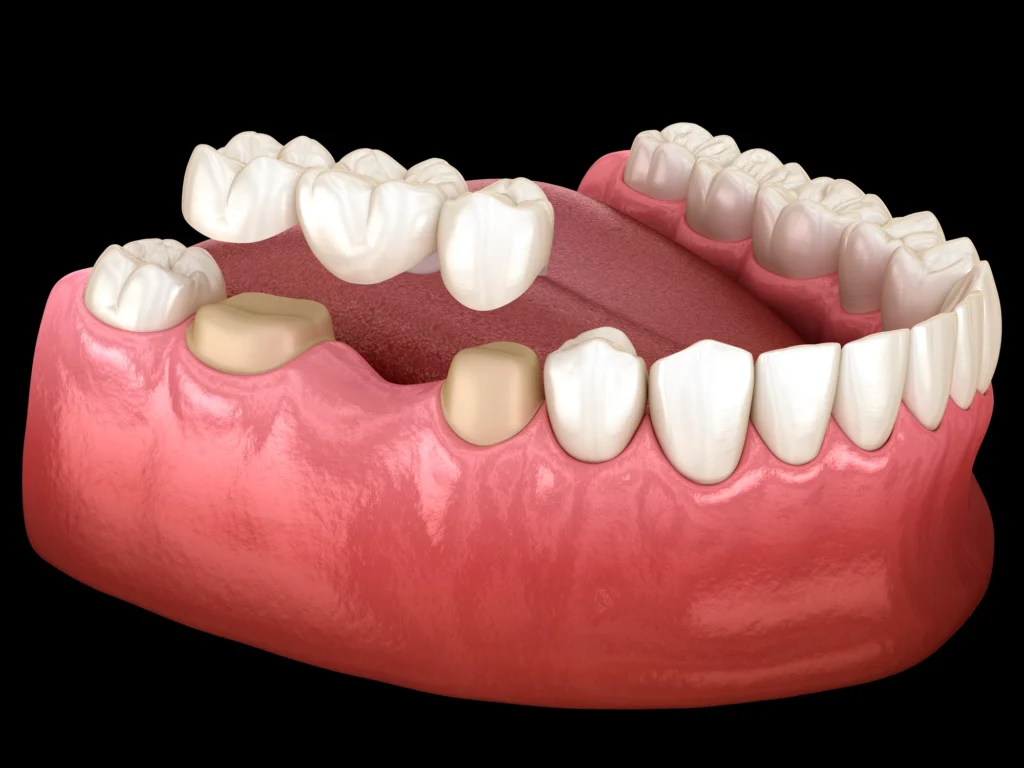
The Dental Crown Procedure: Step-by-Step
Understanding the treatment process can help patients feel more comfortable before their appointment.
- Examination and Diagnosis
The dentist evaluates the damaged tooth and surrounding tissues using digital imaging and a clinical exam.
- Tooth Preparation
A small amount of enamel is reshaped to create space for the crown.
- Digital or Physical Impressions
Detailed impressions are taken so the custom restoration fits precisely.
- Temporary Crown Placement
A temporary restoration protects the tooth while the permanent one is created.
- Custom Crown Creation
A dental laboratory crafts the final restoration to match the patient’s bite and smile.
- Final Placement and Adjustment
The permanent crown is bonded in place and carefully adjusted for comfort and function.
At Urban Dental Studio, careful planning ensures that the final restoration fits naturally and supports long-term oral health.
Benefits of Choosing a Dental Crown
This restoration offers several important advantages for patients dealing with tooth damage.
- Restores strength and structural stability
- Protects weakened teeth from further breakage
- Allows normal chewing and biting
- Enhances the appearance of the smile
- Provides a durable long-term restoration when properly maintained
By reinforcing the natural tooth, dental crowns in Clarksburg help maintain oral health while avoiding unnecessary tooth removal.
How Long Do Dental Crowns Last?
With proper care, dental crowns can remain functional for many years. Many patients enjoy their restoration for 10 to 15 years or longer.
Several factors influence longevity:
- Daily brushing and flossing habits
- Avoiding excessive pressure on the restored tooth
- Wearing a night guard if teeth grinding occurs
- Routine dental checkups to monitor oral health
Regular visits allow your dentist to check the condition of the crown and the surrounding tooth structure. Addressing small concerns early helps extend the life of the restoration.
Tips for Caring for a Dental Crown
Maintaining good oral hygiene is essential for protecting both the crown and the natural tooth underneath.
Helpful habits include:
- Brush teeth twice daily using a soft-bristled toothbrush
- Floss carefully around the restored tooth
- Avoid biting extremely hard foods such as ice or hard candy
- Wear a protective night guard if you grind your teeth
- Visit your dentist regularly for professional cleanings and exams
These simple steps help ensure the restoration continues to function comfortably for many years.
When Should You See a Dentist for a Damaged Tooth?
Some signs indicate that a tooth may require professional evaluation. Seeking care early can prevent the issue from becoming more complex.
Watch for these warning signs:
- Persistent tooth pain or discomfort
- Sensitivity when biting or chewing
- Visible cracks or fractures in a tooth
- Large cavities or dark spots on enamel
- Broken or loose fillings
If any of these symptoms occur, scheduling an evaluation allows your dentist to determine the most appropriate treatment before the damage worsens.
Damage to a tooth should never be ignored. Cracks, decay, or structural weakness can gradually worsen and lead to more complex oral health problems. Restorative treatments allow dentists to strengthen and protect natural teeth rather than removing them.
Modern materials make dental crowns durable while maintaining a natural appearance that blends with surrounding teeth. By restoring structure, improving chewing comfort, and enhancing aesthetics, this treatment helps preserve both oral health and confidence.
If you suspect that a tooth has been weakened or damaged, consider scheduling a consultation with Urban Dental Studio. Early evaluation can help determine the right solution and protect your smile for years to come.
Frequently Asked Questions
Yes. Once the crown is securely placed and adjusted, it should feel very similar to a natural tooth. Most patients quickly adapt to the restoration and can chew, speak, and smile normally without noticing any difference.
While they are commonly used to restore damaged teeth, crowns may also be recommended for cosmetic improvements. They can improve the shape, size, or color of a tooth to create a more balanced and natural-looking smile.
After the final crown is placed, most patients can return to normal eating habits. Dentists may suggest avoiding extremely hard foods to help protect the restoration and maintain long-term durability.
Yes. Crowns can be used for both front and back teeth. The material chosen may vary depending on the tooth’s location, with aesthetic materials often used for front teeth and stronger options for molars.
Yes. Crowns are commonly used for patients of many age groups. They are often recommended for adults who want to restore teeth affected by decay, wear, or previous dental work.