
Root Canal vs. Extraction: Which Option Saves Your Tooth and Money
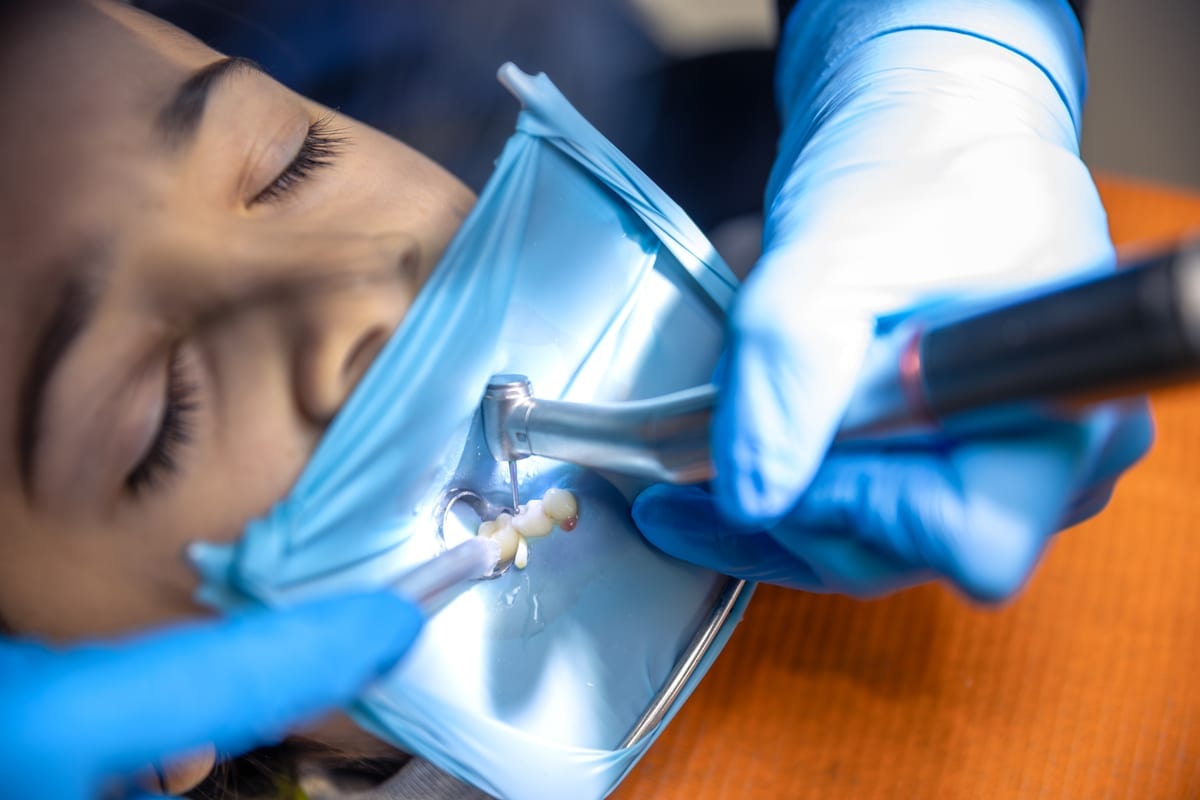
Facing a damaged or infected tooth can feel overwhelming. Many Clarksburg patients ask the same question: should I save the tooth or just pull it? Understanding root canal vs. extraction — which option saves your tooth and money in Clarksburg — is essential before making any decision. Dr. Anum Zaidi at Urban Dental Studio helps patients weigh both options honestly. This guide breaks down costs, recovery, and long-term outcomes so you can choose with confidence.
What Is a Root Canal and When Do You Need One?
A root canal removes infected or damaged pulp from inside your tooth. The tooth structure itself stays intact. Dr. Zaidi then seals the tooth and often places a crown to restore full function.
Root canals are recommended when the tooth root is healthy and the surrounding bone is intact. They work best when infection has not spread too far. Many patients are surprised to learn the procedure is no more uncomfortable than a routine filling.
Common signs you may need a root canal include:
- Severe or lingering tooth pain
- Sensitivity to heat or cold that does not go away
- Darkening or discoloration of the tooth
- Swelling or tenderness in nearby gums
- A persistent pimple-like bump on the gum
If you are experiencing sudden, intense pain, you may also need Emergency Dentistry Clarksburg services right away. Acting quickly can mean the difference between saving and losing your tooth.
Root Canal vs. Extraction: Comparing Costs in Clarksburg
Cost is often the first concern patients raise. A tooth extraction typically costs less upfront than a root canal. However, the story does not end at the extraction itself.
After an extraction, most patients need a replacement tooth. Options include dental implants, bridges, or dentures. These add significant cost over time. When you factor in the full replacement process, saving your natural tooth through a root canal is often the more affordable long-term solution.
Here is a quick cost comparison to consider:
- Root canal plus crown: Higher upfront cost, but no replacement needed
- Extraction only: Lower initial cost, but tooth gap causes shifting and bite issues
- Extraction plus implant: Often two to three times the cost of a root canal
- Extraction plus bridge: Requires altering healthy adjacent teeth, adding future costs
Losing a tooth affects your bite, jawbone, and neighboring teeth over time. Bone loss at the extraction site can begin within months. These secondary problems create additional dental expenses down the road.
Long-Term Health Impact: Saving vs. Losing a Natural Tooth
Your natural tooth is always the best option when it can be saved. Nothing fully replicates the strength and feel of your own tooth. Root canals preserve bone density and maintain proper bite alignment.
Extraction, by contrast, leaves a gap. That gap allows neighboring teeth to shift toward the empty space. Over time, this leads to misalignment, difficulty chewing, and even jaw pain. Jawbone deterioration is another serious concern after extraction.
A saved tooth also supports your overall oral health more effectively. It keeps your bite balanced and reduces stress on other teeth. Patients who save their teeth through root canals often avoid costly restorative work later.
If you are also considering cosmetic improvements alongside your treatment, Cosmetic Dentistry Clarksburg services at Urban Dental Studio can help restore both function and appearance after your tooth is treated.
When Is Extraction the Right Choice?
Extraction is sometimes the only appropriate option. Not every tooth can or should be saved. Dr. Zaidi will assess your specific situation thoroughly before making any recommendation.
Extraction is typically recommended when:
- The tooth is severely cracked below the gumline
- Bone loss around the tooth is too advanced
- The tooth cannot structurally support a crown after treatment
- Infection has spread extensively and cannot be controlled
- Orthodontic treatment requires creating space in a crowded mouth
In these cases, extraction followed by a well-planned replacement is the healthiest path forward. Dr. Zaidi will always discuss your replacement options at the same appointment. You will never leave Urban Dental Studio without a clear plan.
Recovery: What to Expect After Each Procedure
Recovery from a root canal is generally quick. Most patients return to normal activity within one to two days. Some mild soreness around the treated area is normal and manageable with over-the-counter pain relief.
Extraction recovery takes slightly longer. The socket needs time to heal, usually one to two weeks. Patients must follow specific aftercare instructions to prevent dry socket and infection. Soft foods, rest, and proper hygiene are all important during this period.
From a lifestyle standpoint, root canal recovery is typically less disruptive. You keep your tooth and resume eating normally once the crown is placed. Extraction recovery involves dietary restrictions and careful monitoring of the healing site.
Dr. Zaidi ensures every patient at Urban Dental Studio receives clear, step-by-step aftercare instructions. You will always know exactly what to expect before you leave the chair.
Making the Right Decision for Your Smile in Clarksburg
The best choice between a root canal and extraction depends on your unique dental health. Dr. Anum Zaidi takes a conservative approach — preserving your natural tooth whenever clinically possible. She combines diagnostic imaging with a thorough exam to give you the most accurate recommendation.
Urban Dental Studio serves the Clarksburg, MD community with patient-centered care. Every treatment plan starts with an honest conversation. You will always understand your options before any procedure begins.
If you have a painful or damaged tooth, do not wait. Early evaluation gives you more treatment options and better outcomes. Book Now to schedule your appointment with our team.
Frequently Asked Questions
Is a root canal more painful than a tooth extraction?
Most patients find root canals no more uncomfortable than a standard filling. Modern anesthesia techniques make the procedure very manageable. Extraction can involve more post-procedure soreness depending on the complexity of the removal.
How long does a root canal treatment take at Urban Dental Studio?
Most root canals at Urban Dental Studio are completed in one to two appointments. Each appointment typically lasts between 60 and 90 minutes. Dr. Zaidi works efficiently to keep your time in the chair as comfortable as possible.
Will I need a crown after a root canal?
In most cases, yes. A dental crown protects the treated tooth and restores its full chewing function. Dr. Zaidi will let you know during your evaluation whether a crown is recommended for your specific situation.
What happens to my jawbone after a tooth extraction?
After an extraction, the jawbone in that area begins to resorb or shrink over time. This process can start within the first few months. A dental implant placed after extraction helps preserve bone density and prevents long-term structural changes to your jaw.
Can I get a tooth implant after an extraction in Clarksburg?
Yes. Dr. Anum Zaidi at Urban Dental Studio can discuss implant options as part of your overall treatment plan. Timing of the implant placement depends on how well the extraction site heals. She will guide you through every step of the process.