
 (240) 512-1571

A cracked molar, a tooth weakened by a large filling, or one that's just lost its natural shape after years of wear - these are the kinds of everyday dental problems that bring patients through our doors asking about crowns. It's one of the most common restorative procedures in dentistry, and for good reason: a well-made crown can take a tooth that's at risk of breaking down completely and give it another decade or more of reliable function.
Yet despite how often crowns come up in conversation at the dental office, most patients have only a vague sense of what the procedure actually involves. Is it painful? How long does it take? Will it look natural? Those are fair questions, and they deserve real answers rather than a quick brush-off before you're ushered into the chair.
This guide walks through what a dental crown is, when your dentist might recommend one, what the appointment itself looks like, and how to care for a crown once it's in place. Our goal is to make sure that by the time you're sitting in the chair at Urban Dental Studio, you already know what to expect.
What a Dental Crown Actually Does
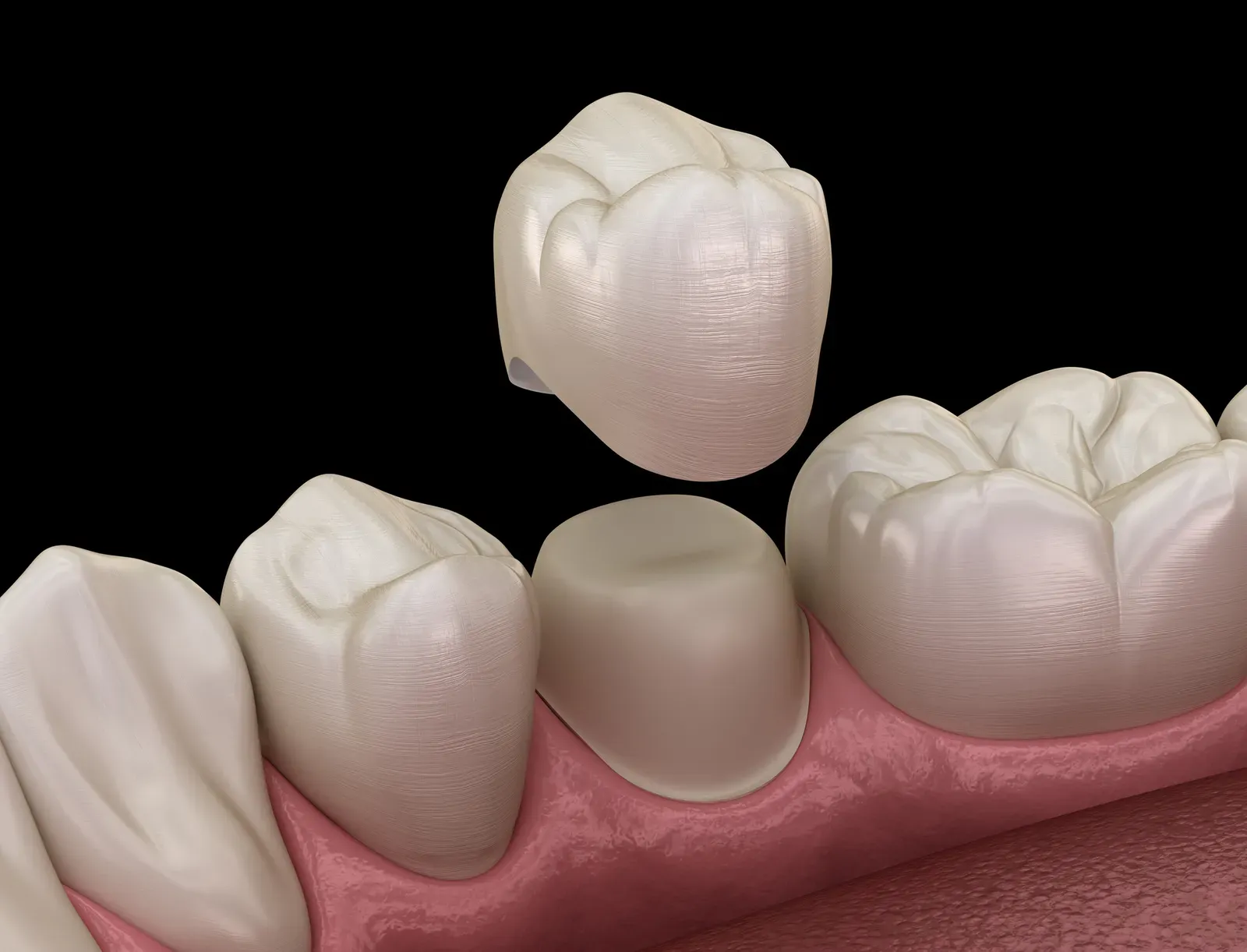
A dental crown is a custom-made cap that fits over the entire visible portion of a tooth, from the gumline up. Unlike a filling, which fills in a cavity or small area of damage, a crown covers the whole tooth structure above the gum, essentially rebuilding it from the outside in. This matters because once a tooth has lost a significant amount of its natural structure - through decay, a fracture, or heavy wear - it often doesn't have enough healthy material left to support a filling on its own.
Think of a crown less as a cosmetic patch and more as structural reinforcement. It redistributes the biting forces your tooth absorbs every time you chew, protecting the remaining natural tooth underneath from cracking further. That's why crowns are so frequently paired with other treatments, such as being placed after root canal therapy to protect a tooth that's become more brittle, or used to anchor a replacement tooth as part of a dental implant restoration.
Crowns are also used for purely functional and aesthetic reasons that go beyond repair, including reshaping a misshapen tooth or restoring one that's been significantly worn down by grinding. In every case, the underlying goal is the same: give the tooth back its full function and natural appearance so you can bite and chew without worrying about it giving way.
Signs a Tooth May Need a Crown
Most patients don't walk in already knowing they need a crown - it's usually something we identify during a routine exam or after you've mentioned a specific symptom. A few patterns come up consistently enough that they're worth knowing about, whether you're currently dealing with discomfort or just trying to stay ahead of a problem.
- A cracked or fractured tooth: Cracks that don't reach the nerve can often be stabilized with a crown before they worsen into a more serious break requiring extraction.
- A large existing filling: When a filling takes up most of a tooth's surface, there's often not enough natural structure left to support normal chewing pressure without a crown.
- Sensitivity after a root canal: Teeth treated with root canal therapy tend to become more brittle over time, which is why a protective crown is almost always recommended afterward.
- Visible wear from grinding: Flattened or chipped edges from nighttime grinding can be restored with a crown, often alongside a custom night guard to prevent further damage.
- Discoloration or shape irregularities: Some patients choose a crown for a tooth that's intact but cosmetically out of line with the rest of their smile.
Material Options and How to Choose
Not all crowns are built the same way, and the material your dentist recommends depends on where the tooth sits in your mouth, how much force it takes on, and how important appearance is in that location. There isn't a single "best" material across the board - it's about matching the right option to the specific tooth.
All-Ceramic and Porcelain Crowns
These are the go-to choice for front teeth and any tooth visible when you smile, because modern ceramics can be shade-matched almost perfectly to your natural enamel. They're also metal-free, which appeals to patients who prefer a completely tooth-colored restoration. Advances in dental ceramics over the past decade have made these far more durable than older porcelain versions, though they're generally best suited to teeth that don't bear the heaviest bite forces, like molars in patients who clench or grind.
Zirconia Crowns
Zirconia has become a popular option because it combines strength with a reasonably natural appearance. It holds up well under heavy chewing forces, making it a strong candidate for back teeth, and newer translucent zirconia formulations look convincing enough to use on visible teeth too. Many patients appreciate that it requires slightly less tooth reduction than some older crown materials.
Metal and Porcelain-Fused-to-Metal (PFM)
Less common today but still useful in certain cases, these crowns pair a metal substructure with a porcelain outer layer for a blend of strength and appearance. They're occasionally recommended for molars that take on significant bite force, where the metal core adds extra durability. Your dentist will walk you through which material makes sense based on a visual exam and, when needed, a bite analysis.
What Happens During the Procedure
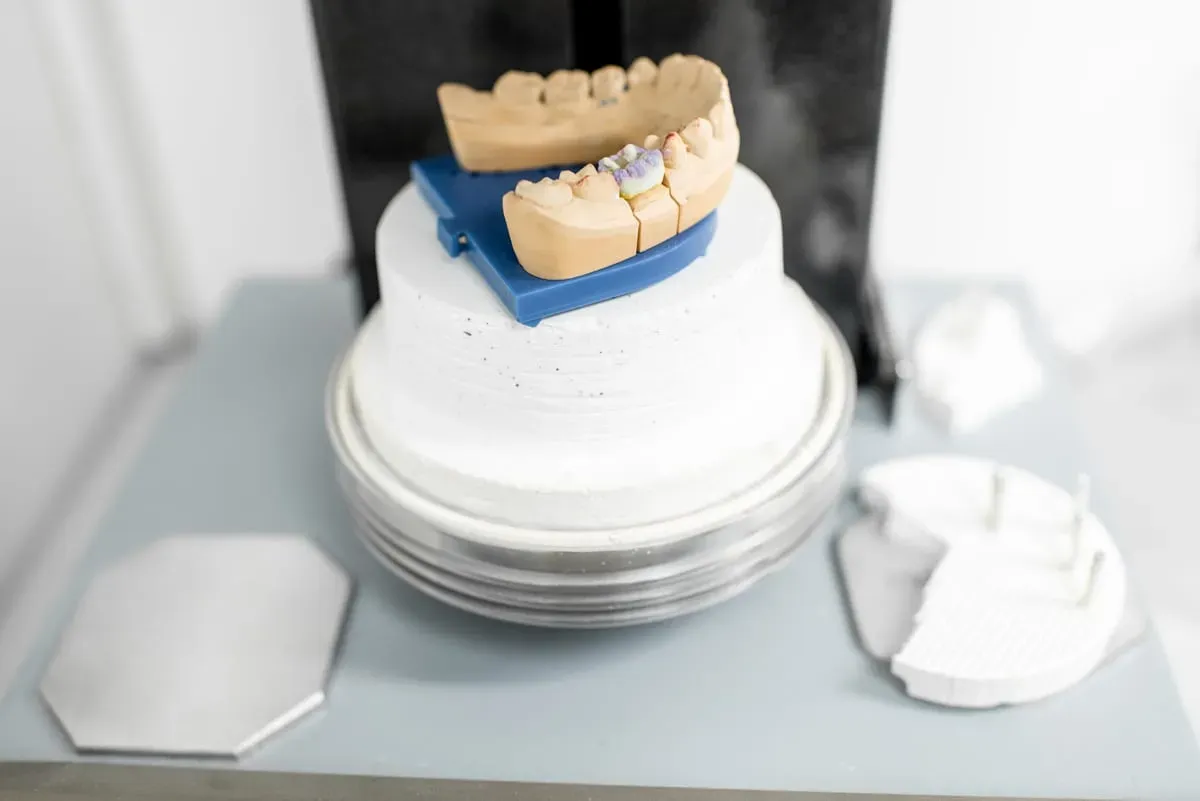
Getting a crown typically takes two appointments, spaced about one to two weeks apart, although some practices offer same-day crowns using in-office milling technology. At your first visit, the dentist numbs the area and reshapes the tooth, removing a thin layer of its outer surface to make room for the crown material. If the tooth has significant decay or damage, that's addressed first, sometimes requiring a build-up material to rebuild enough structure for the crown to sit on properly.
Once the tooth is shaped, an impression or digital scan is taken and sent to a dental lab, where your custom crown is fabricated to match your bite and the color of your surrounding teeth. In the meantime, you'll wear a temporary crown to protect the tooth and keep things functional for everyday eating and speaking. It's normal for a temporary to feel slightly different, and we'll give you specific guidance on foods to avoid until the permanent restoration is seated.
At the second appointment, the temporary crown is removed, and the permanent one is checked for fit, bite alignment, and color before being permanently cemented in place. Most patients describe this step as quick and straightforward, often wrapped up in well under an hour. If you're also exploring options like dental implants to replace a missing tooth entirely, a crown is typically the final piece attached to the implant post once healing is complete.
Recovery and Everyday Care
Recovery from a standard crown procedure is usually mild. You might notice some sensitivity to hot or cold around the treated tooth for a few days, especially if the crown was placed over a tooth that didn't have a root canal beforehand. This typically settles on its own, but if sensitivity lingers beyond a week or you notice any sharp pain when biting down, it's worth a quick call to our office so we can check the bite alignment.
Once your permanent crown is in place, it doesn't require any special maintenance beyond the basics of good oral hygiene. Brushing twice daily, flossing around the crown margin where it meets the gumline, and keeping up with regular dental cleanings all help the crown last as long as possible. The crown itself can't develop a new cavity, but the natural tooth structure underneath it still can, which is why skipping checkups is a common reason crowns fail earlier than expected.
If you grind your teeth at night, mentioning this to your dentist is especially important after getting a crown, since repetitive grinding force is one of the more common causes of early chipping or cracking. A properly fitted night guard is a simple, inexpensive way to protect your investment and extend the crown's lifespan considerably.
How Long a Crown Should Last
With reasonable care, most dental crowns last somewhere between 10 and 15 years, and it's not unusual to see well-maintained crowns hold up for two decades or longer. The lifespan depends on a handful of factors: the material chosen, how much bite force the tooth regularly absorbs, your oral hygiene habits, and whether you grind or clench your teeth.
Eventually, most crowns will need replacement, not necessarily because the crown itself has failed, but because gum tissue around it can shift slightly over the years, or the cement seal can wear thin enough to let bacteria in underneath. Regular exams make it easy to catch these early signs before they turn into a bigger problem, which is one more reason consistent checkups matter even after a crown is placed and feels completely normal.
Key Takeaways
- A crown covers and protects an entire tooth, making it a strong option when a tooth has lost too much structure for a filling alone.
- Crowns are commonly used after root canal therapy, for cracked or heavily filled teeth, and as part of implant restorations.
- Material options like zirconia, all-ceramic, and PFM each have different strengths depending on the tooth's location and function.
- The process usually takes two visits - a shaping appointment with a temporary crown, followed by permanent placement.
- Good hygiene, regular cleanings, and a night guard if you grind your teeth can help a crown last well beyond a decade.
Frequently Asked Questions
Does getting a dental crown hurt?
The tooth-shaping portion of the procedure is done under local anesthesia, so patients don't feel pain during the appointment. Mild soreness or sensitivity afterward is common for a few days and is usually manageable with over-the-counter pain relief.
Can I eat normally with a temporary crown?
You can eat, but it's best to stick to softer foods and avoid chewing directly on the temporary crown with sticky or very hard items. Temporaries are durable enough for everyday use, but they aren't meant to withstand the same pressure as a permanent restoration.
Will my crown look like a natural tooth?
Yes. Modern crown materials, particularly ceramic and zirconia, are shade-matched to your surrounding teeth and shaped to blend naturally with your bite. Most people can't tell a well-fitted crown apart from a natural tooth just by looking.
What should I do if my crown feels loose?
A loose crown should be treated as a reason to call your dentist promptly, since it can allow bacteria to reach the tooth underneath. Avoid chewing on that side until it's been evaluated, and never try to re-cement it yourself.
Is a crown always necessary after a root canal?
Not in every single case, but it's recommended for most back teeth since they absorb significant chewing force and tend to become more brittle after treatment. Front teeth with smaller access openings sometimes only need a filling, which your dentist can assess individually.
Bringing It All Together
A dental crown is rarely the exciting part of a dental visit, but it's often the treatment that quietly saves a tooth from extraction and keeps your bite working the way it should for years to come. Understanding what the procedure involves - from the initial shaping to material choice to long-term care - takes a lot of the uncertainty out of the process and helps you make an informed decision alongside your dentist.
If you've noticed a cracked tooth, lingering sensitivity, or an old filling that seems to be wearing out, it's worth having it looked at before the problem grows. Our team at Urban Dental Studio can evaluate the tooth, walk you through the right crown option for your situation, and help you get back to eating and smiling with confidence.