

Book Online (240) 512-1571
Urban Dental Studio
Restorative Care

Restorative Dentistry

Repair damaged, decayed, or missing teeth with durable, natural-looking treatments built around your long-term oral health.

Rebuilding Smiles

What Restorative Dentistry Means for Your Smile

A cracked molar, a worn-down filling, or a missing tooth does more than affect how your smile looks-it changes how you eat, speak, and feel about yourself every day. Restorative dentistry at Urban Dental Studio focuses on repairing that damage at its source, using treatments built to hold up under the real demands of daily chewing and biting.

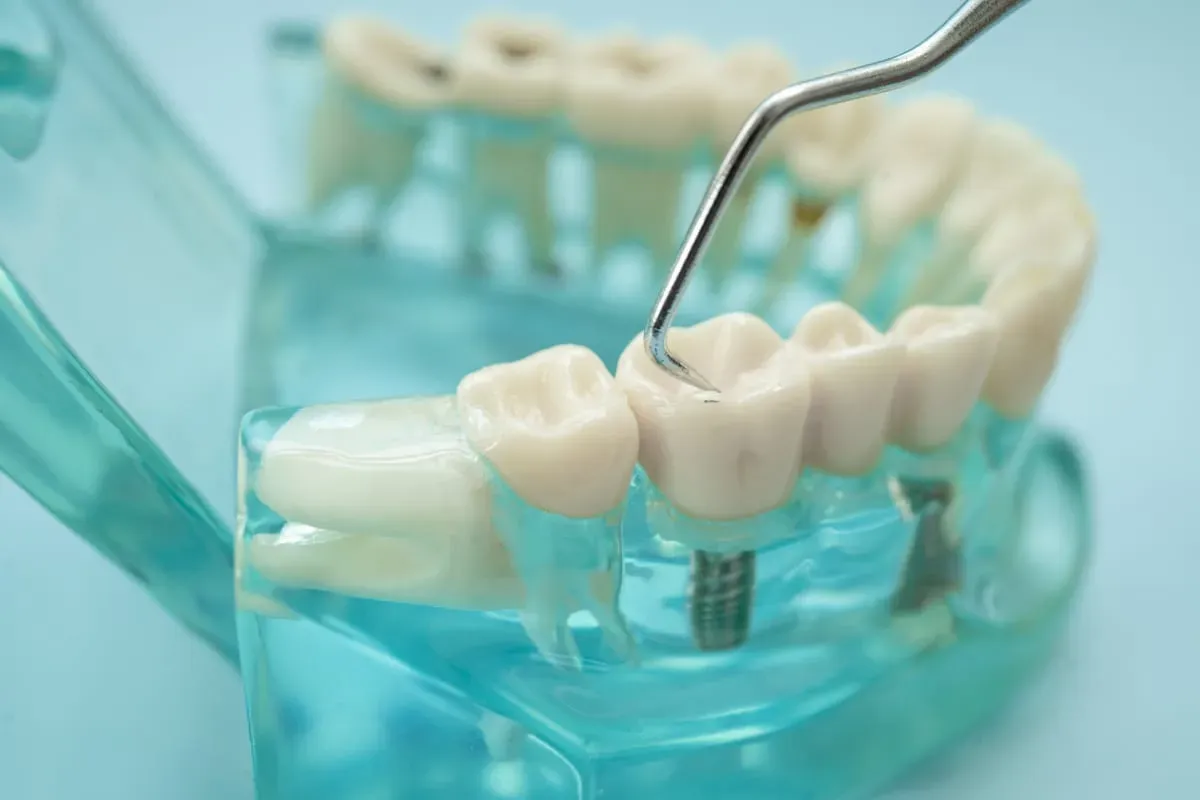
Rather than offering a one-size-fits-all fix, our team evaluates the extent of decay, fracture, or tooth loss and matches it with the most conservative, durable solution available. Whether that means a single filling or a full implant-supported bridge, the goal is always the same: return your mouth to full, comfortable function while protecting the healthy tooth structure that remains.

We use modern materials and techniques that blend strength with a natural appearance, so repaired teeth do their job without standing out. Restorative work is practical dentistry done right-built to last, built to function, and built to look like it belongs in your mouth.

Smile gallery photo

Signs You May Need Restorative Dental Work

Damaged teeth rarely announce themselves all at once. Often, the warning signs build slowly-a twinge of sensitivity here, a small chip there-until the problem becomes harder to ignore. Recognizing these signals early lets us intervene with a smaller, more conservative treatment before the damage spreads and requires something more involved.

If any of the following sound familiar, it is worth scheduling an exam so we can take a closer look and recommend the right course of action before the issue worsens.

Who Is a Good Candidate for Restorative Treatment?

Nearly everyone will need some form of restorative dental care at some point-decay, wear, and accidental damage are a normal part of life. What varies from patient to patient is the specific combination of treatments that will work best, which is why a thorough evaluation always comes before any recommendation.

During your visit, we review your dental history, take any necessary X-rays, and examine the condition of your existing teeth and gums. This helps us understand not just what needs repair, but why the damage occurred in the first place, so we can address root causes alongside the immediate fix.

Restorative Treatment Options We Offer

Not every damaged tooth needs the same fix. We offer a full range of restorative solutions so the treatment matches the severity of the problem-no more, no less. Each option is selected based on how much natural tooth structure remains, the location of the damage, and your long-term oral health goals.

We walk you through the pros, timeline, and expected lifespan of each option so you can make a confident, informed decision about your care.

Health and Functional Benefits of Restoring Damaged Teeth

Restorative dentistry does more than patch a problem-it protects your long-term oral health in ways that go beyond the tooth being treated. Leaving decay or damage unaddressed puts neighboring teeth, your gums, and even your jawbone at risk over time.

The benefits of timely restorative care extend into nearly every part of daily life, from how comfortably you eat to how confidently you smile in conversation.

Caring for Your Restoration After Treatment

A well-placed restoration can last for many years, but its lifespan depends heavily on how it's cared for afterward. Fillings, crowns, bridges, and implants all benefit from the same foundational habits that keep your natural teeth healthy, along with a few treatment-specific precautions in the first days after your appointment.

We'll give you specific aftercare instructions based on your exact treatment, but these general guidelines apply to nearly every restorative procedure we perform.

How Your Restorative Dentistry Treatment Works

01

Comprehensive Exam & Diagnosis

We start with a full exam, X-rays as needed, and a detailed conversation about any pain or concerns, so we can accurately assess the damage.

02

Personalized Treatment Plan

Based on what we find, we recommend the most conservative, durable option-whether that's a filling, crown, bridge, or implant-and walk you through what to expect.

03

Tooth Preparation & Restoration

We gently remove decay or damaged material, prepare the tooth, and place or fabricate your restoration using materials matched to your natural tooth shade.

04

Fit, Bite Check & Follow-Up

We check your bite carefully, make any needed adjustments, and schedule follow-up care so your restoration settles in comfortably and functions as it should.

Why Patients Choose Urban Dental Studio for Restorative Care

Repairing a damaged tooth is a decision that affects your comfort and health for years, which is why we treat every restorative case with the same level of care we'd want for our own families. Here's what sets our approach apart.

Frequently Asked Questions About Restorative Dentistry

How long do fillings, crowns, and bridges typically last?

With proper care, composite fillings often last 7 to 10 years, crowns can last 10 to 15 years or more, and bridges typically last 10 to 15 years as well. Implants, when cared for properly, can last a lifetime. Regular checkups help us monitor wear and catch issues before they require full replacement.

Will a filling or crown match the color of my natural teeth?

Yes. We use tooth-colored composite materials and ceramics specifically shaded to blend with your surrounding teeth, so repaired teeth look natural rather than standing out. We take care in selecting and verifying the shade match before any restoration is finalized.

Is restorative treatment painful?

Most restorative procedures are performed with local anesthesia, so you shouldn't feel pain during treatment. Mild sensitivity or soreness afterward is normal and typically resolves within a few days. We'll go over what to expect and how to manage any discomfort before you leave.

What's the difference between a crown, a bridge, and an implant?

A crown covers and protects a single damaged tooth. A bridge replaces one or more missing teeth by anchoring to the adjacent healthy teeth. An implant replaces a missing tooth root with a titanium post that fuses with the jawbone, supporting a standalone crown without relying on neighboring teeth.

How do I know which restorative option is right for me?

The right option depends on the extent of damage, the location of the tooth, your bone and gum health, and your personal preferences. During your exam, we'll review your X-rays and discuss realistic options together so you understand exactly why we're recommending a particular treatment.

Can restorative dentistry fix a tooth that's already badly decayed?

In many cases, yes. Even significantly decayed teeth can often be saved with a root canal and crown rather than extraction. If the tooth truly can't be saved, we'll discuss replacement options like a bridge or implant to restore full function.

Join our family of satisfied patients with personalized dental solutions.