
A severely decayed, fractured, or infected tooth does not have to stay that way, and sometimes removing it is the safest path back to comfort and health. As a core part of our restorative dentistry services, tooth extractions at Urban Dental Studio are performed with precision, genuine compassion, and a focus on protecting the rest of your smile. Whether you are dealing with sudden, searing pain and need an emergency dentist visit right away, or you are planning ahead for a wisdom tooth that no longer has room to erupt properly, our team is equipped to guide you through the process calmly and comfortably.
A tooth extraction is never a decision we take lightly, and it's rarely the first option we recommend. At Urban Dental Studio, we only suggest removing a tooth after a thorough evaluation shows that saving it isn't realistic or that keeping it in place would put your overall oral health at greater risk. Whether a tooth is badly fractured, severely decayed, impacted, or crowding your other teeth, our goal is always to remove it with as little discomfort and disruption to your daily routine as possible.
What sets a well-performed extraction apart is the planning behind it. We take detailed images, review your health history, and talk through what to expect before we ever pick up an instrument. Patients consistently tell us the anticipation was worse than the actual appointment, and that's exactly the reputation we work hard to maintain. From a simple extraction of a visible tooth to a more involved surgical removal, our team manages every step with precision, patience, and a genuine concern for how you feel throughout.
Beyond relieving pain, removing a problem tooth often protects the teeth around it from infection, bone loss, and shifting. We'll walk you through replacement options too, so you leave with a clear plan for your smile's next chapter, not just an empty space.
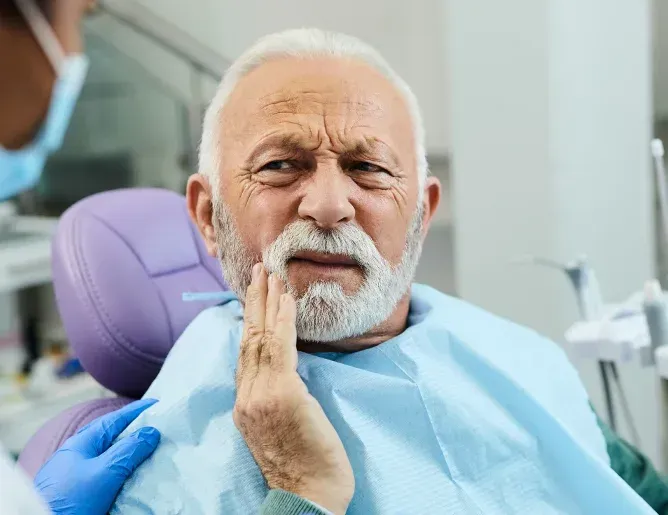
Most patients don't walk in expecting to hear they need a tooth removed. More often, a familiar ache, a lingering sensitivity, or a visible crack prompts the visit, and the conversation about extraction comes after a closer look. Recognizing the early warning signs helps you get ahead of a bigger problem and often means a simpler, more comfortable procedure when the time comes.
Not every damaged or painful tooth needs to come out, and part of our job is making sure extraction really is the right call before we move forward. We examine the tooth's remaining structure, the health of the surrounding bone and gum tissue, and whether a root canal, crown, or other restorative option could realistically save it. If those alternatives aren't viable, or if keeping the tooth would threaten the health of your other teeth, extraction becomes the sensible path forward.
We also take your broader health picture into account. Conditions like uncontrolled diabetes, certain heart conditions, or blood clotting disorders can affect how we plan and time your procedure, so a complete medical history review is always part of your consultation. Children, teens, and adults can all be candidates for extraction depending on their specific dental situation.
Not all extractions are the same, and the technique we use depends on the tooth's position, root structure, and how much of it is visible above the gumline. A simple extraction is typically straightforward and uses instruments to gently loosen and lift a fully erupted tooth. A surgical extraction, by contrast, is needed when a tooth has broken off at the gumline, is impacted below the surface, or has roots that curve in ways that require a small incision for safe removal.
Whichever approach your situation calls for, we administer local anesthesia so the area is fully numb before we begin, and we discuss sedation options for patients who feel anxious or who are having multiple teeth removed in one visit. We never rush an extraction, and we always confirm you're comfortable before, during, and after the procedure.
The days right after an extraction matter just as much as the procedure itself. Your body needs time and the right conditions to form a healthy blood clot, build new tissue, and settle the surrounding bone. We send every patient home with clear, written instructions and make sure you know exactly what's normal to expect versus what should prompt a call to our office.
Most patients find the initial soreness manageable with over-the-counter pain relief and ice packs, and it typically eases noticeably within two to three days. Full healing of the gum tissue and bone takes longer, but you'll generally be back to normal activities and eating comfortably within a week or so, depending on how straightforward the extraction was.
We start with a full exam and digital X-rays to assess the tooth's position, root structure, and surrounding bone, then discuss whether extraction is truly the best option.
We thoroughly numb the area with local anesthesia and review sedation options if you're anxious or need multiple teeth removed in one visit.
Using careful, controlled technique, we loosen and remove the tooth, taking extra time with surgical cases involving impacted or fractured teeth.
We place gauze to support clot formation and, when appropriate, add bone grafting material to preserve the socket for future tooth replacement.
You'll leave with detailed aftercare guidance, any necessary prescriptions, and a plan for a follow-up visit to confirm your healing is on track.
Choosing where to have a tooth removed matters just as much as the decision to remove it. We've built our practice around treating every extraction with the same level of care and precision we'd want for our own families, and that philosophy shapes everything from how we schedule appointments to how we follow up after your procedure.
The area is fully numbed with local anesthesia before we begin, so you shouldn't feel sharp pain during the procedure, just pressure in some cases. Mild soreness afterward is normal and is typically well managed with over-the-counter pain relievers or a prescription if needed.
Most soft tissue healing takes about one to two weeks, while complete bone healing in the socket can take a few months. Simple extractions tend to recover faster than surgical ones, and following your aftercare instructions closely speeds the process along.
For back molars and front teeth alike, we generally recommend a replacement option like an implant or bridge to prevent shifting of neighboring teeth and to keep your bite balanced. We'll go over your options and timing before you leave your appointment.
A dry socket happens when the protective blood clot at the extraction site is dislodged or dissolves too early, exposing bone and nerve endings. You can avoid it by not smoking, not using straws, and avoiding vigorous rinsing or spitting for the first 24 to 48 hours after your procedure.
If you only receive local anesthesia, you're typically fine to drive yourself home. However, if you choose oral or IV sedation, you'll need someone to drive you and stay with you for the rest of the day as the sedation wears off.
Stick to soft foods like soup, yogurt, and mashed potatoes for the first few days, then gradually reintroduce firmer foods as the area feels less tender. Most patients are back to their normal diet within a week, depending on the complexity of the extraction.
Join our family of satisfied patients with personalized dental solutions.


 (240) 512-1571