
Explore the process, benefits, and recovery of root canal therapy. Trust Urban Dental Studio for expert care and informed decisions.

Root canal therapy is often misunderstood and feared, yet it is a crucial procedure designed to save teeth and alleviate pain. At Urban Dental Studio, we believe in empowering our patients with knowledge to make informed decisions about their dental health. This comprehensive guide will walk you through the essentials of root canal therapy, from understanding its purpose to preparing for recovery.
The thought of undergoing a root canal might be daunting, but modern techniques and anesthesia make the process far less painful than its reputation suggests. Educating yourself on what to expect can alleviate anxiety and help you approach the procedure with confidence. Whether you're experiencing severe tooth pain or have been advised to undergo a root canal, this guide aims to address your concerns and provide valuable insights.
Root canal therapy, also known as endodontic therapy, is a dental procedure used to treat infection at the center of a tooth (the root canal system). This treatment is necessary when the pulp, the soft tissue inside the root canal, becomes inflamed or infected. The inflammation or infection can have various causes, such as deep decay, repeated dental procedures on the tooth, or a crack or chip in the tooth.
During the procedure, the infected pulp is removed, and the inside of the tooth is carefully cleaned and disinfected, then filled and sealed. This process helps preserve the tooth and prevents further infection. Understanding this procedure can help alleviate fears and misconceptions about root canal therapy.
Root canal therapy is essential for saving a tooth that might otherwise need to be removed. When the pulp becomes infected or inflamed, it can cause severe pain and lead to abscess formation. Without treatment, the infection can spread to surrounding tissues, leading to more severe health issues.
Preserving your natural teeth is always preferable, as it maintains your bite and jaw structure. Extracting a tooth without replacing it can lead to shifting teeth, bite problems, and even bone loss. Root canal therapy allows you to maintain your natural tooth and avoid these complications.
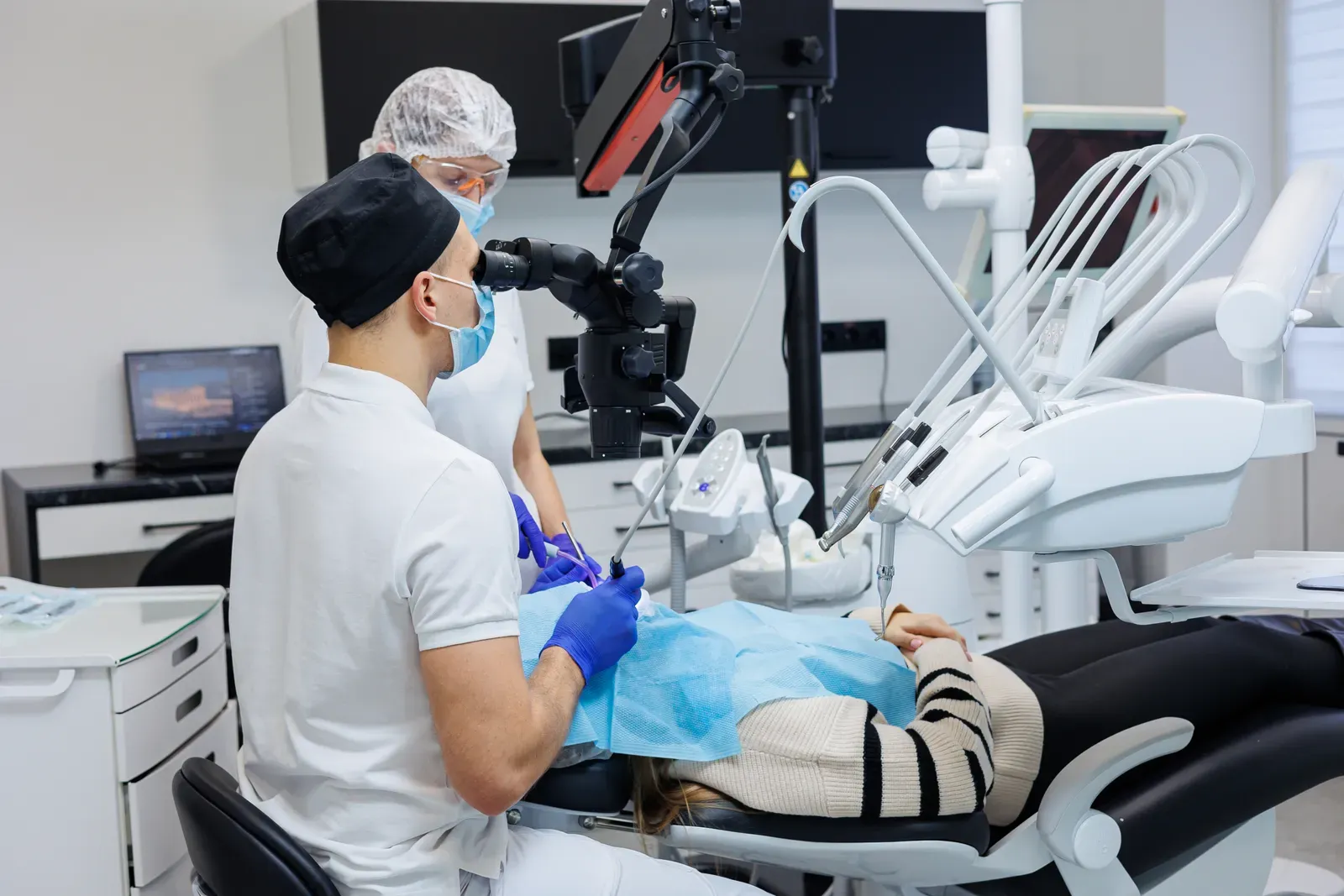
The root canal procedure typically involves a few key steps. First, an X-ray is taken to assess the extent of the infection. Then, local anesthesia is applied to numb the area, ensuring a pain-free experience. The dentist makes a small opening in the tooth to access the pulp chamber and root canals.
Using tiny instruments, the dentist removes the infected pulp and thoroughly cleans the canals. After cleaning, the canals are shaped and filled with a biocompatible material called gutta-percha. Finally, the opening is sealed with a temporary or permanent filling. In most cases, a crown is recommended post-procedure to protect and restore the tooth's functionality.
Root canal therapy offers several significant benefits. It effectively alleviates pain caused by infected or inflamed pulp, allowing you to return to your daily activities without discomfort. It also preserves your natural tooth, which is crucial for maintaining proper oral function.
Additionally, the procedure has a high success rate and can last a lifetime with proper care. By removing the infection, root canal therapy prevents the spread of infection to other parts of the mouth and body, safeguarding your overall health. At Urban Dental Studio, our expertise in root canal therapy ensures you receive the highest quality care.
Recovery from root canal therapy is typically quick and uneventful. Some patients may experience mild discomfort or sensitivity in the days following the procedure, which can usually be managed with over-the-counter pain medication. It's crucial to follow your dentist's aftercare instructions to ensure a smooth recovery.
Maintaining good oral hygiene is essential after a root canal. Regular brushing, flossing, and routine dental check-ups will help keep the treated tooth and overall oral health in optimal condition. If a crown was placed, avoid chewing on hard foods with the restored tooth to prevent damage.
Thanks to modern anesthesia and techniques, root canal therapy is no more painful than having a filling placed. Most patients report feeling comfortable throughout the procedure.
The duration of a root canal procedure varies, but it typically takes one to two appointments, each lasting about 90 minutes. More complex cases may require additional visits.
Delaying treatment can lead to increased pain, spread of infection, and eventual tooth loss. It's crucial to address the problem promptly to avoid more serious complications.
Understanding root canal therapy is the first step in overcoming any fears or misconceptions about the procedure. By preserving your natural teeth and alleviating pain, root canal therapy plays a vital role in maintaining your dental health. At Urban Dental Studio, we're committed to providing you with the highest level of care and expertise in root canal therapy.
If you have any concerns or need further information, our friendly team is here to help. We encourage you to schedule a consultation to discuss your dental health needs and explore the best treatment options.
Interested in the topics discussed in this guide? Explore our specialized treatments and services.
 Service
Expert root canal therapy that eliminates infection, stops pain, and preserves your natural tooth-delivered with gentle, modern technique.
Join our family of satisfied patients with personalized dental solutions.


 (240) 512-1571