What Lifestyle Habits Affect the Success of Dental Implants?
Dental implants are a life-changing solution to missing teeth, allowing for both function and aesthetic appeal. However, successful implants are not only about the procedure but also about your daily habits. As much as dental professionals ensure that your implants are correctly placed, it is your everyday life that may make or break their success.
Some factors, such as oral hygiene, smoking, diet, and health conditions, all play crucial roles in the healing process. This blog will look at habits affecting dental implant success and how one can maximize their longevity.
Why Dental Implants Matter
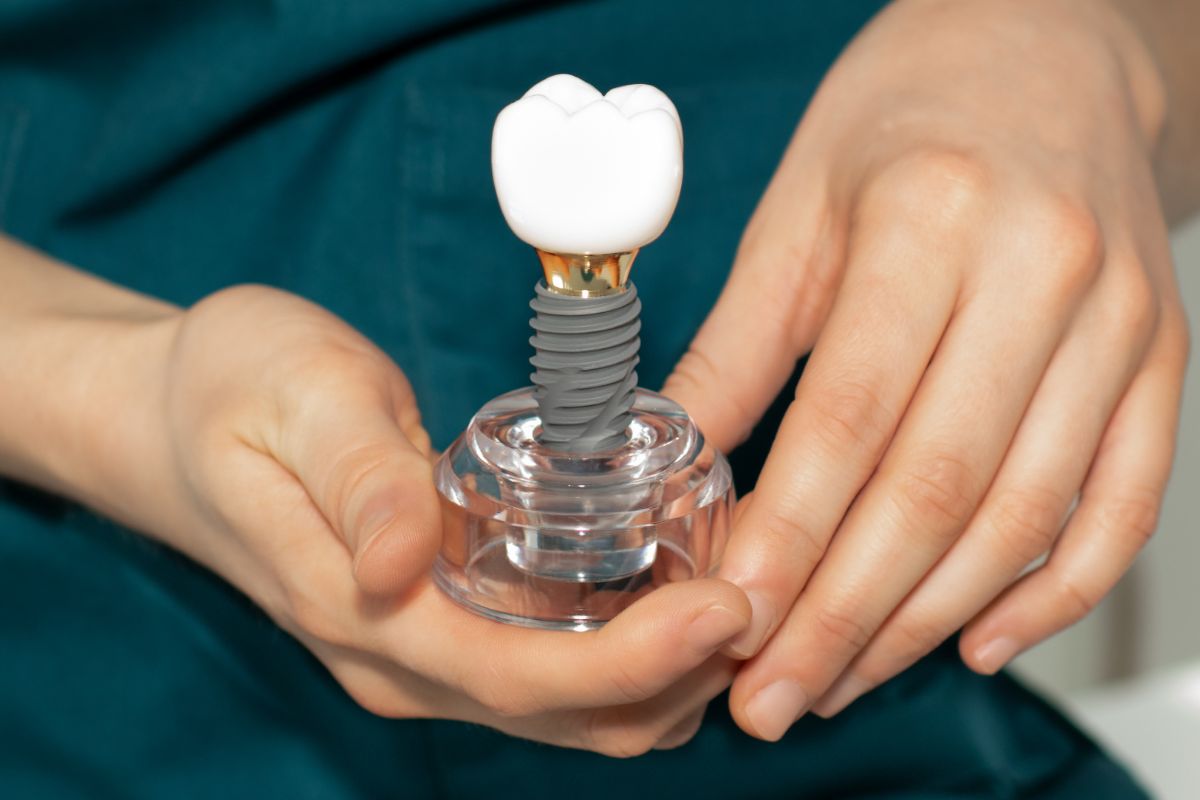
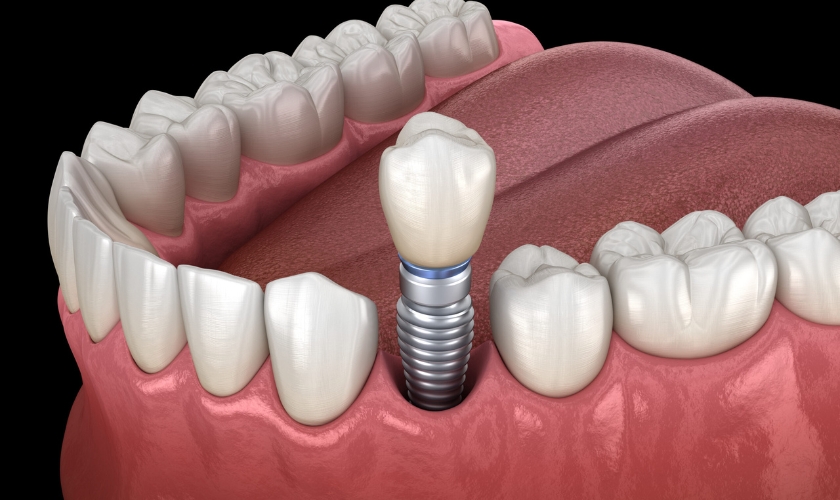
Implants are made to feel and look like natural teeth; they are usually permanent and are placed directly into the jawbone. They are made of titanium posts set into the jaw, where they fuse over a period through a process called osseointegration. It is through this integration that the stability and longevity of an implant are ensured to provide one with the strength to chew and speak.
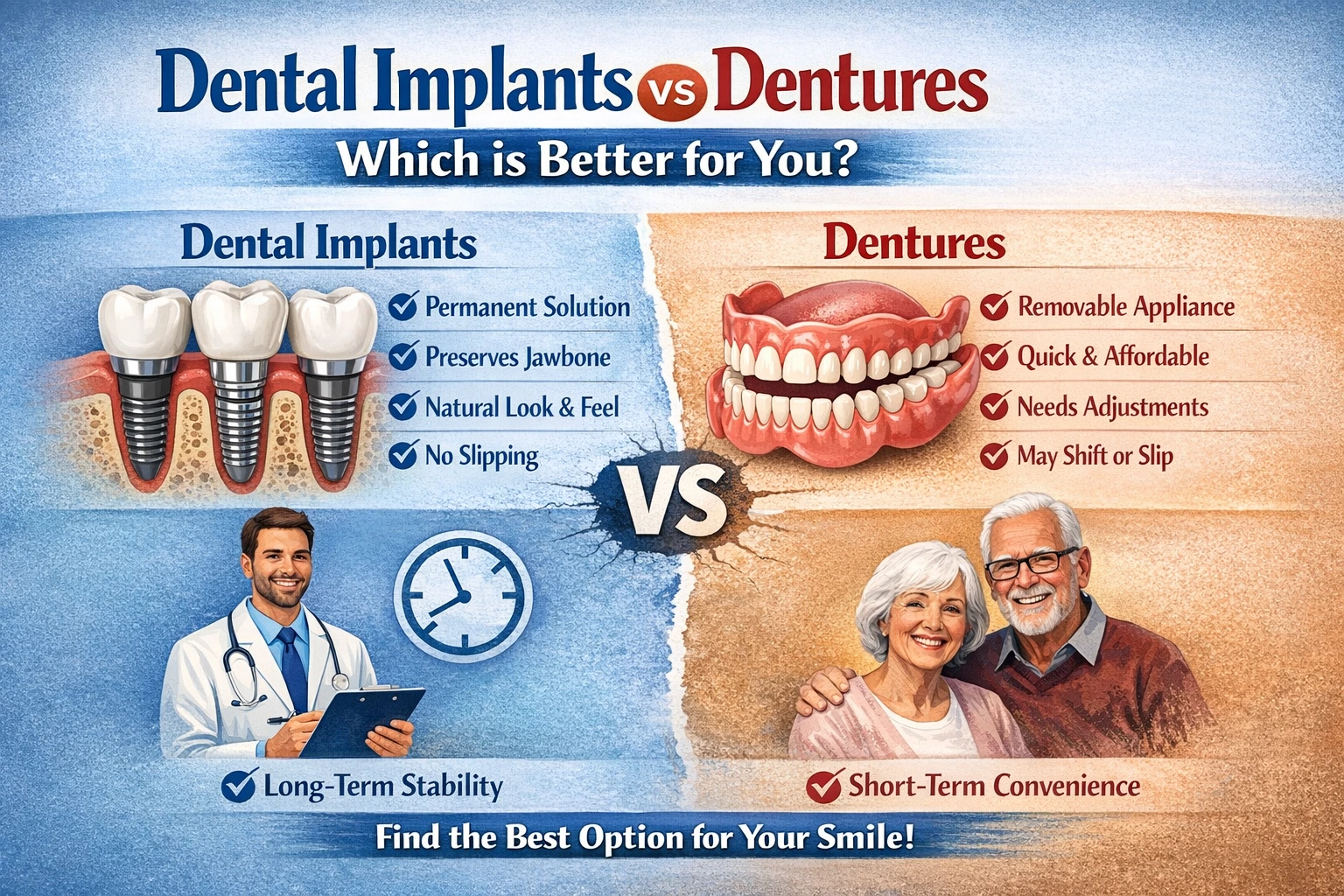
Compared to dentures and bridges, dental implants in Clarksburg provide more comfort, permanency, and a natural look. The functionality of the implant is only successful when it undergoes successful osseointegration; thus, the need to support this process with good lifestyle habits.
Key Lifestyle Habits That Affect Implant Success
Oral Hygiene Practices
The success of the implant depends on good oral hygiene. Twice-a-day brushing, flossing, and the use of mouthwash are very important in the prevention of infection and gum disease around the implant.
Poor hygiene could lead to the formation of plaque, increasing the chance of peri-implantitis, which can lead to implant failure. Prevention of infection and osseointegration in a healthy atmosphere can be further aided by antibacterial mouthwashes.
Smoking and Tobacco Use
Smoking decreases blood flow to the gums, which can impair the healing process following dental implant surgery. It also promotes an increased risk of infection and gum disease, each of which can compromise the potential success of dental implants.
Generally, smokers are at a disadvantage compared to non-smokers concerning the success rate of implants. Thus, quitting or minimizing tobacco is important for optimal results in both healing and the long-term outlook.
Diet and Nutrition
A balanced diet is the essential basis for good bone and gum health, which will help the healing process. Nutrients such as calcium and vitamin D play a major role in bone health and can help maintain the jawbone and ensure it is strong enough to support dental implants.
Nutritional deficiencies of these vitamins can lead to bone loss and affect implant stability. Foods rich in vitamins, minerals, and antioxidants help in tissue healing and reduce inflammation.
Alcohol Consumption
It can have negative effects on the health of bones, slowing down the whole healing process. Alcohol interferes with calcium absorption, an important requirement for your jawbone’s strength.
In addition, excessive intake of alcohol depresses the immune system, making it difficult for the body to fight off infections that may interfere with the success of your dental implants. Moderation will work to ensure proper healing.
Physical Activity and Exercise
While this is important for overall health, high-intensity exercise or high-impact activities can put stress on the jaw and can compromise the healing process after dental implants. Recovery demands avoidance of activities that may traumatize the implant site.
Light exercise, such as walking or swimming, can help in maintaining physical health without compromising success with the implant.
Managing Chronic Health Conditions
Systemic conditions such as diabetes, osteoporosis, and periodontal disease can impact dental implant success. Diabetes might interfere with proper healing and increase infection risk, while osteoporosis decreases the density of bones, hence making it difficult for the implant to integrate with the jawbone.
Managing the chronic condition before and after the procedure is important. Regular visits to your doctor and dentist can help ensure that any underlying issues are addressed and managed properly for optimal success of dental implants in Clarksburg.
Best Practices to Support Implant Success
Ensure that your oral hygiene is good by frequently brushing, flossing, and rinsing your mouth with mouthwash. Stopping smoking and reducing your consumption of alcohol will significantly enhance the likelihood of your healing well. Consuming a nutritionally adequate diet will help strengthen your bones and facilitate recovery.
For those with ongoing health issues, close collaboration with a health professional is paramount. Regular dental visits will help in monitoring the implant for its entire lifespan.
While the process of dental implants is extremely successful, lifestyle habits-oral hygiene, smoking, diet, and general health-play major factors in the outcome. By implementing good habits and following your dentist’s advice, you will be able to increase the likelihood of your implant being successful and remaining functional for a long period of time.
If you are thinking about dental implants, let our team help you learn how to set yourself up for success and achieve the smile of your dreams.
FAQs
Can I return to work after getting dental implants?
You can generally return to work within a few days, depending on how you feel. Avoid strenuous activities and follow your dentist’s aftercare instructions during recovery.
Can I still get dental implants if I’ve lost a lot of bone in my jaw?
If you’ve lost significant bone, bone grafting procedures can be performed to restore the bone structure and allow for successful implantation.
What is the best type of toothbrush to use after getting dental implants?
A soft-bristled toothbrush is recommended to gently clean around the implant site without causing irritation or damage.
How can I prevent gum disease after getting dental implants?
Regular brushing, flossing, and professional cleanings are crucial to prevent gum disease, which can lead to implant failure.
Can physical trauma cause dental implants to fail?
Yes, significant trauma or injury to the implant site can disrupt the healing process and potentially cause implant failure. Avoid contact sports or high-impact activities during recovery.